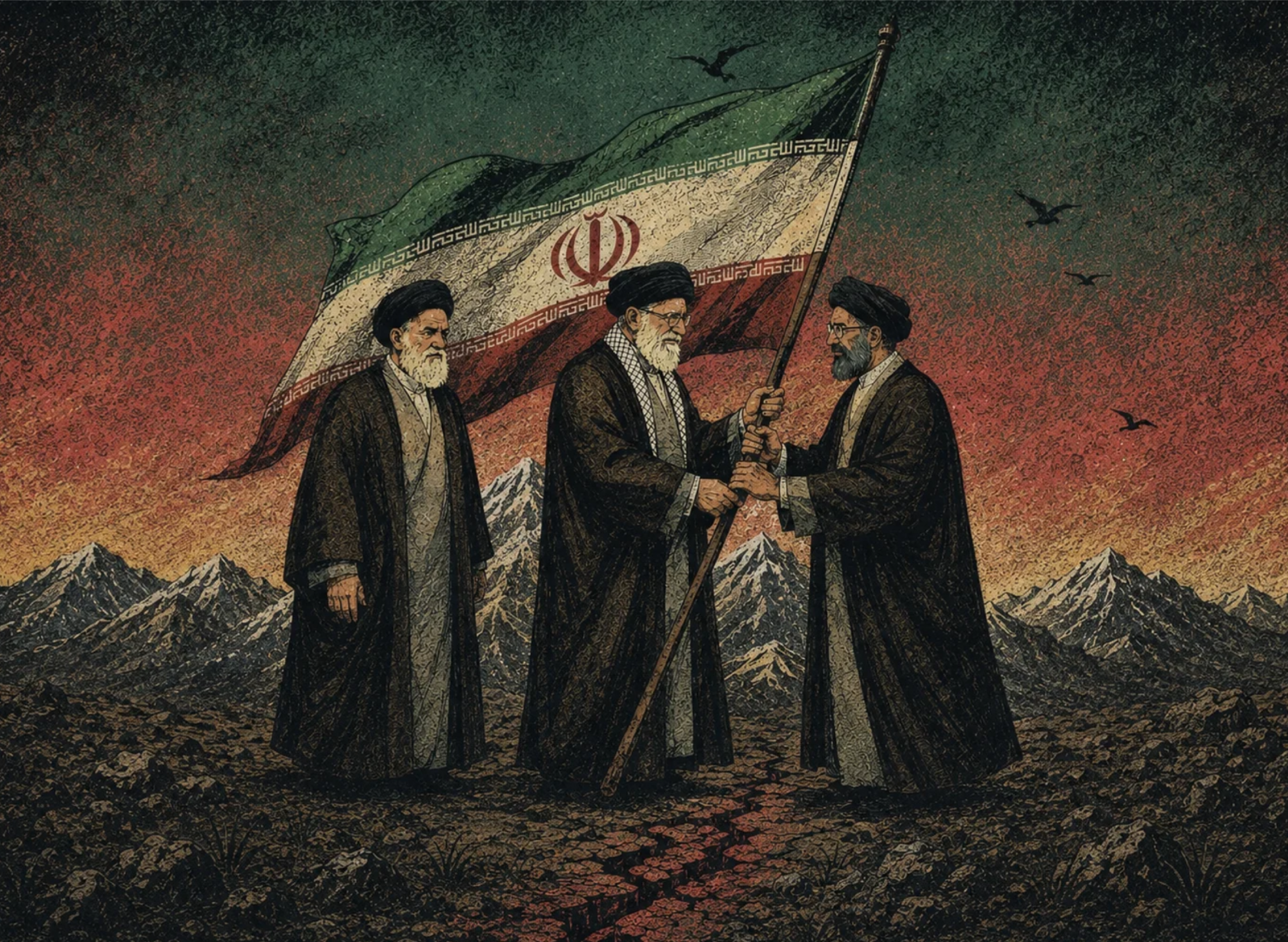


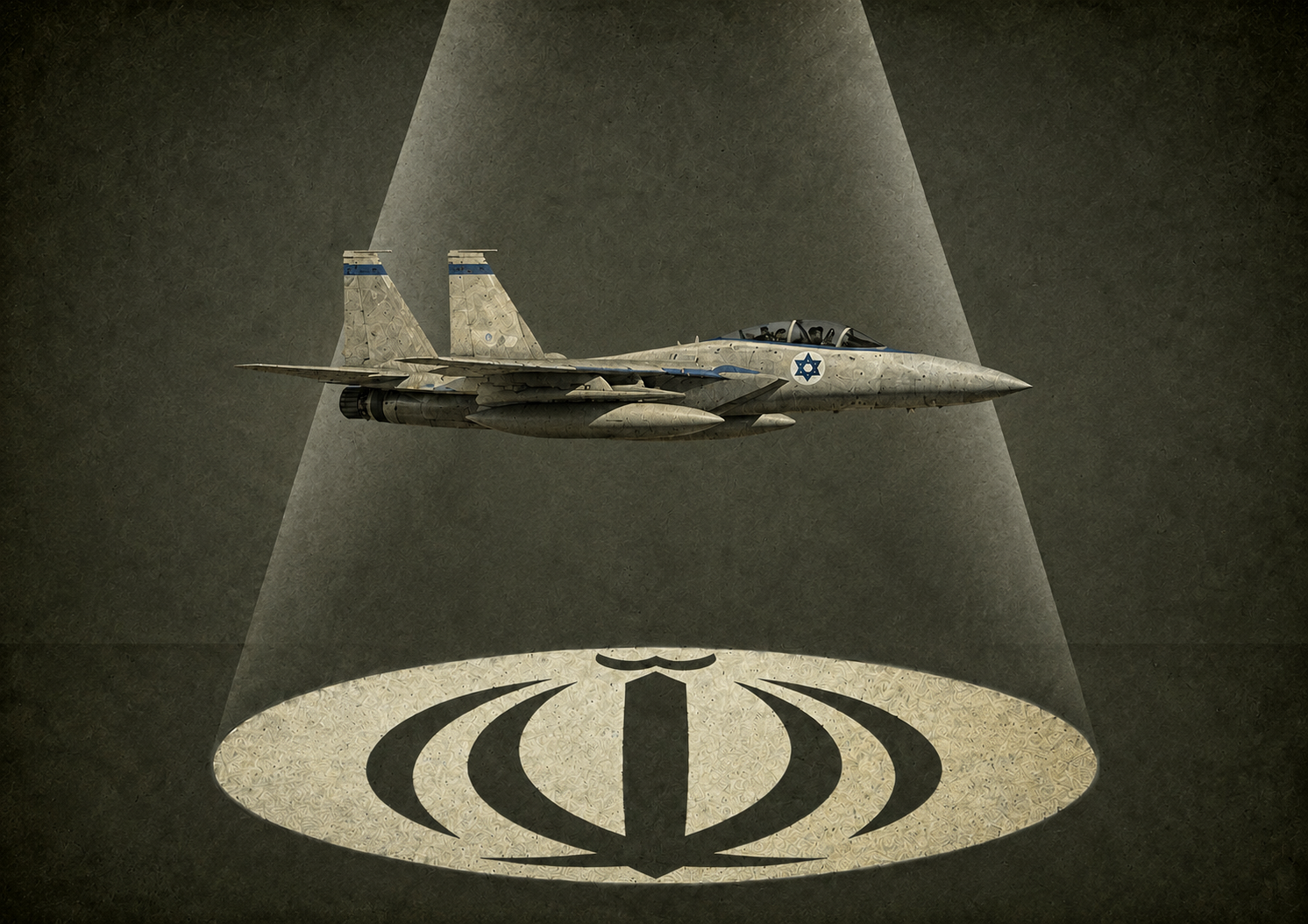
This illustration has been created by AI to use only in this article.
By almost any conventional military measure, Israel has won this war. Since the United States and Israel opened the campaign against Iran on February 28, 2026, with strikes that included the assassination of Supreme Leader Ali Khamenei, Israeli and American forces have demonstrated a level of tactical dominance that would have seemed unthinkable a decade ago. Iranian air defenses have been repeatedly penetrated. Senior commanders have been killed in their homes and offices. Nuclear and military infrastructure has been struck with precision that Iranian officials themselves have struggled to downplay publicly.
And yet, more than five months into the war, the Islamic Republic still governs Iran. Its Revolutionary Guard Corps is not broken but hardened. And in the one arena where Iran can still make the entire world feel the cost of this conflict—the flow of oil and gas through the Strait of Hormuz—Tehran has arguably won.
This is the paradox at the center of Israel’s war against Iran: extraordinary tactical success has not produced strategic victory. The question this article sets out to answer is not whether Israel can win battles. It clearly can. The question is whether Israel is winning the war, or whether, in the absence of a defined political endgame, it is becoming trapped in one it cannot decisively end.
The Logic of Israeli Military Superiority
The scale of Israeli and American operational success since February should not be understated. The assassination of Khamenei alone represents a feat of intelligence penetration and operational execution that few military establishments in the world could replicate. Beyond that singular strike, Israeli and American forces have carried out sustained campaigns against Iranian nuclear facilities, military command infrastructure, and the leadership tiers of the IRGC.
These operations reflect a doctrine that has evolved considerably since Israel’s earlier, more limited strikes against Iranian proxies and nuclear scientists. What has unfolded since February is not covert sabotage but open, sustained aerial warfare, in tandem with American airpower and naval assets, reaching deep into Iranian territory with a frequency and intensity that 47 years of conflict with Iran have not seen. The war’s opening weeks alone saw a volume of strike activity against a state actor that has few recent parallels outside of full interstate war.
It is worth pausing on how remarkable this is by historical standards. Israel’s 1981 strike on Osirak and its 2007 strike on Syria’s al-Kibar reactor were each single, discrete operations, high-risk, high-reward, and over within hours. What has unfolded since February 2026 is categorically different: a sustained campaign, conducted over months, against a state with a far larger territory, population, and air defense architecture than either Iraq or Syria possessed at the time of those earlier strikes. That Israel and the United States have been able to sustain this tempo of operations for months without a catastrophic loss of aircraft or a collapse of operational security is itself a significant achievement, and one that will likely be studied by military planners for years regardless of how the broader war concludes.
served as a Parliamentary Aide for International Affairs in the Israeli Knesset and holds an MA in International Law, Human Rights & Transitional Justice from Hebrew University of Jerusalem. He focus on U.S. foreign policy, the Israel-Palestine conflict, Israeli politics, and Middle East geopolitics.
By almost any conventional military measure, Israel has won this war. Since the United States and Israel opened the campaign against Iran on February 28, 2026, with strikes that included the assassination of Supreme Leader Ali Khamenei, Israeli and American forces have demonstrated a level of tactical dominance that would have seemed unthinkable a decade ago. Iranian air defenses have been repeatedly penetrated. Senior commanders have been killed in their homes and offices. Nuclear and military infrastructure has been struck with precision that Iranian officials themselves have struggled to downplay publicly.
And yet, more than five months into the war, the Islamic Republic still governs Iran. Its Revolutionary Guard Corps is not broken but hardened. And in the one arena where Iran can still make the entire world feel the cost of this conflict—the flow of oil and gas through the Strait of Hormuz—Tehran has arguably won.
This is the paradox at the center of Israel’s war against Iran: extraordinary tactical success has not produced strategic victory. The question this article sets out to answer is not whether Israel can win battles. It clearly can. The question is whether Israel is winning the war, or whether, in the absence of a defined political endgame, it is becoming trapped in one it cannot decisively end.
The Logic of Israeli Military Superiority
The scale of Israeli and American operational success since February should not be understated. The assassination of Khamenei alone represents a feat of intelligence penetration and operational execution that few military establishments in the world could replicate. Beyond that singular strike, Israeli and American forces have carried out sustained campaigns against Iranian nuclear facilities, military command infrastructure, and the leadership tiers of the IRGC.
These operations reflect a doctrine that has evolved considerably since Israel’s earlier, more limited strikes against Iranian proxies and nuclear scientists. What has unfolded since February is not covert sabotage but open, sustained aerial warfare, in tandem with American airpower and naval assets, reaching deep into Iranian territory with a frequency and intensity that 47 years of conflict with Iran have not seen. The war’s opening weeks alone saw a volume of strike activity against a state actor that has few recent parallels outside of full interstate war.
It is worth pausing on how remarkable this is by historical standards. Israel’s 1981 strike on Osirak and its 2007 strike on Syria’s al-Kibar reactor were each single, discrete operations, high-risk, high-reward, and over within hours. What has unfolded since February 2026 is categorically different: a sustained campaign, conducted over months, against a state with a far larger territory, population, and air defense architecture than either Iraq or Syria possessed at the time of those earlier strikes. That Israel and the United States have been able to sustain this tempo of operations for months without a catastrophic loss of aircraft or a collapse of operational security is itself a significant achievement, and one that will likely be studied by military planners for years regardless of how the broader war concludes.
served as a Parliamentary Aide for International Affairs in the Israeli Knesset and holds an MA in International Law, Human Rights & Transitional Justice from Hebrew University of Jerusalem. He focus on U.S. foreign policy, the Israel-Palestine conflict, Israeli politics, and Middle East geopolitics.
How the Chinese Military Could Shape China’s Next Chapter
Much of this success rests on an intelligence and targeting apparatus that has evidently mapped Iran’s military and political leadership with startling precision. The integration of real-time targeting data, cyber penetration, and human intelligence has allowed Israel to strike moving and hardened targets with a consistency that has visibly rattled Tehran’s command structure. This is not the deterrence-by-threat posture Israel maintained for decades. It is a doctrine of preemption, openly exercised at scale.
This shift matters beyond the immediate war. For years, Israeli strategic doctrine toward Iran rested on a combination of covert action, sanctions pressure applied through Washington, and the implicit threat of a future strike that could, if necessary, be executed. What the past five months have demonstrated is that Israel is both willing and able to convert that implicit threat into sustained, open military action without waiting for a singular triggering event like a nuclear breakout. Whether this represents a durable new doctrine or a war-specific escalation driven by the aftermath of October 7 remains an open question, but either way, it has already reshaped how Iran, and every other actor in the region, has to calculate the credibility of Israeli threats going forward.
In the war’s opening months, these operations produced real, measurable disruption: degraded command-and-control capacity, damaged proxy networks across the region, and at least a temporary restoration of the deterrent credibility Israel had spent years trying to rebuild after October 7. Iranian-backed proxy networks across the region absorbed significant damage to their leadership and logistics chains during the war’s early phase, complicating Tehran’s ability to project pressure on Israel indirectly even as the direct war with Iran continued. Judged purely on the battlefield, this looks like a decisive campaign.
The Limits of Military Power
What the campaign has not produced is regime collapse, and there is little indication one is imminent. This should not be surprising. Wars of external pressure have historically been more likely to consolidate authoritarian regimes than dislodge them, particularly when framed domestically as a battle for national survival against foreign aggression. Iran’s government has leaned into precisely this framing, and the assassination of Khamenei, however tactically remarkable, has not produced the kind of institutional vacuum or elite defection that regime-change theories of coercive airpower depend on.
The historical record on this point is not encouraging for those who hoped sustained strikes might produce internal collapse. Decades of airpower-centric coercion campaigns, from the strategic bombing of Germany in the Second World War to the bombing campaigns against North Vietnam, have repeatedly demonstrated that sustained external pressure, absent ground occupation or a credible internal alternative to the existing government, tends to harden a population’s identification with the state rather than turn it against its leadership. Iran’s clerical establishment, whatever its unpopularity on other grounds, has substantial experience translating external threat into domestic cohesion, and there is little in the war’s trajectory so far to suggest this instance is an exception.
If anything, the pressure appears to have strengthened the position of Iran’s most hardline factions. The IRGC has consolidated authority over the country’s response to the war, and the space for reformist or moderate voices within Iranian politics, always narrow, has contracted further. Iran’s Parliament has moved to formalize a more confrontational posture on multiple fronts, including its approach to the Strait of Hormuz, discussed below. This is the classic trajectory of a state under sustained external attack: not toward accommodation, but toward a more securitized, risk-tolerant posture in which further escalation becomes politically survivable, even expected.
Much of this success rests on an intelligence and targeting apparatus that has evidently mapped Iran’s military and political leadership with startling precision. The integration of real-time targeting data, cyber penetration, and human intelligence has allowed Israel to strike moving and hardened targets with a consistency that has visibly rattled Tehran’s command structure. This is not the deterrence-by-threat posture Israel maintained for decades. It is a doctrine of preemption, openly exercised at scale.
This shift matters beyond the immediate war. For years, Israeli strategic doctrine toward Iran rested on a combination of covert action, sanctions pressure applied through Washington, and the implicit threat of a future strike that could, if necessary, be executed. What the past five months have demonstrated is that Israel is both willing and able to convert that implicit threat into sustained, open military action without waiting for a singular triggering event like a nuclear breakout. Whether this represents a durable new doctrine or a war-specific escalation driven by the aftermath of October 7 remains an open question, but either way, it has already reshaped how Iran, and every other actor in the region, has to calculate the credibility of Israeli threats going forward.
In the war’s opening months, these operations produced real, measurable disruption: degraded command-and-control capacity, damaged proxy networks across the region, and at least a temporary restoration of the deterrent credibility Israel had spent years trying to rebuild after October 7. Iranian-backed proxy networks across the region absorbed significant damage to their leadership and logistics chains during the war’s early phase, complicating Tehran’s ability to project pressure on Israel indirectly even as the direct war with Iran continued. Judged purely on the battlefield, this looks like a decisive campaign.
The Limits of Military Power
What the campaign has not produced is regime collapse, and there is little indication one is imminent. This should not be surprising. Wars of external pressure have historically been more likely to consolidate authoritarian regimes than dislodge them, particularly when framed domestically as a battle for national survival against foreign aggression. Iran’s government has leaned into precisely this framing, and the assassination of Khamenei, however tactically remarkable, has not produced the kind of institutional vacuum or elite defection that regime-change theories of coercive airpower depend on.
The historical record on this point is not encouraging for those who hoped sustained strikes might produce internal collapse. Decades of airpower-centric coercion campaigns, from the strategic bombing of Germany in the Second World War to the bombing campaigns against North Vietnam, have repeatedly demonstrated that sustained external pressure, absent ground occupation or a credible internal alternative to the existing government, tends to harden a population’s identification with the state rather than turn it against its leadership. Iran’s clerical establishment, whatever its unpopularity on other grounds, has substantial experience translating external threat into domestic cohesion, and there is little in the war’s trajectory so far to suggest this instance is an exception.
If anything, the pressure appears to have strengthened the position of Iran’s most hardline factions. The IRGC has consolidated authority over the country’s response to the war, and the space for reformist or moderate voices within Iranian politics, always narrow, has contracted further. Iran’s Parliament has moved to formalize a more confrontational posture on multiple fronts, including its approach to the Strait of Hormuz, discussed below. This is the classic trajectory of a state under sustained external attack: not toward accommodation, but toward a more securitized, risk-tolerant posture in which further escalation becomes politically survivable, even expected.
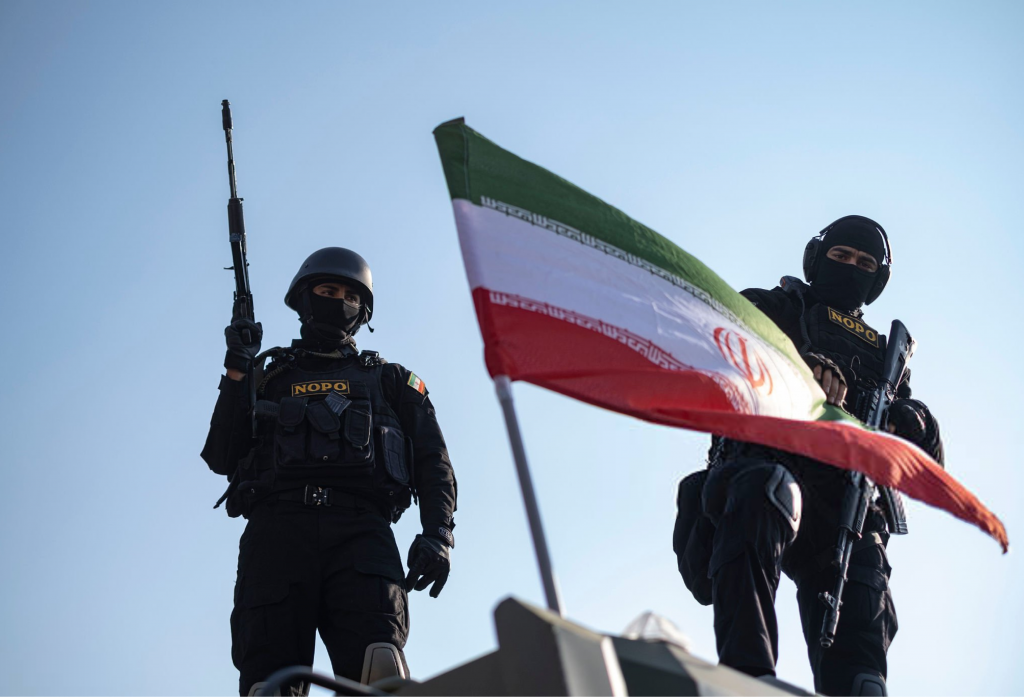
This matters for how the war is likely to be remembered even if Israeli and American strikes continue to achieve tactical success in the months ahead. A weakened, more marginal reformist wing means fewer plausible negotiating partners on the Iranian side who might have been willing, in a different political environment, to trade meaningful concessions for sanctions relief or a durable settlement. The war has, in effect, narrowed its own off-ramps by empowering the factions within Iran’s government least inclined to use them.
There is a real danger in reading Iran’s continued resistance as evidence of weakness rather than resolve. Iranian officials have shown a consistent willingness to absorb significant military losses without capitulating on the war’s core terms. Speaker of Parliament Mohammad Baqer Qalibaf’s comment that “management of the Strait will never return to the way it was before the war” is not the language of a government preparing to fold. It is the language of a government that has concluded it can outlast the pressure being applied to it.
This is precisely where the danger of strategic overconfidence becomes most acute. When a policy of sustained pressure fails to produce the anticipated capitulation, there are typically only two responses available: escalate further, or reassess the theory of the case. So far, the pattern in Washington and Jerusalem has leaned toward the former: more strikes, tighter blockades, harsher rhetoric, on the apparent assumption that greater pressure will eventually cross Tehran’s threshold of endurance. Nearly six months of evidence suggests that threshold may be considerably higher than initially assumed.
The Deterrence Question
Israel’s early operational successes could be read as a restoration of deterrence after the trauma of October 7. That reading deserves more scrutiny than it has received. Deterrence is not measured by the ability to strike; it is measured by the adversary’s willingness, going forward, to avoid the behavior the strikes were meant to punish. By that standard, the picture is far less clear. Iran has not de-escalated. It has adapted.
The distinction matters more than it might first appear. A state that absorbs a devastating strike and immediately sues for terms has been deterred. A state that absorbs a devastating strike, reorganizes its command structure, and continues fighting on modified terms has not been deterred so much as it has been forced to adapt its methods. Iran’s continued willingness to contest the Strait of Hormuz, to exchange strikes with U.S. and Israeli forces, and to reject repeated American diplomatic overtures on terms it considers unfavorable, all point toward the latter category, however uncomfortable that conclusion may be for those who framed the war’s early phase as a deterrence success.
Since the war began, the pattern has been strike, retaliation, brief pause, and renewed strike, repeating across more than five months with no durable ceasefire holding for more than a few weeks at a time. Each cycle has lowered the threshold for what counts as a justifiable escalation on both sides. Red lines that would once have been considered catastrophic—direct strikes on senior leadership, sustained attacks on critical infrastructure—have now been crossed multiple times by both parties without producing the kind of decisive outcome that would end the cycle.
Military action without a defined political objective tends, over time, to become an end in itself.
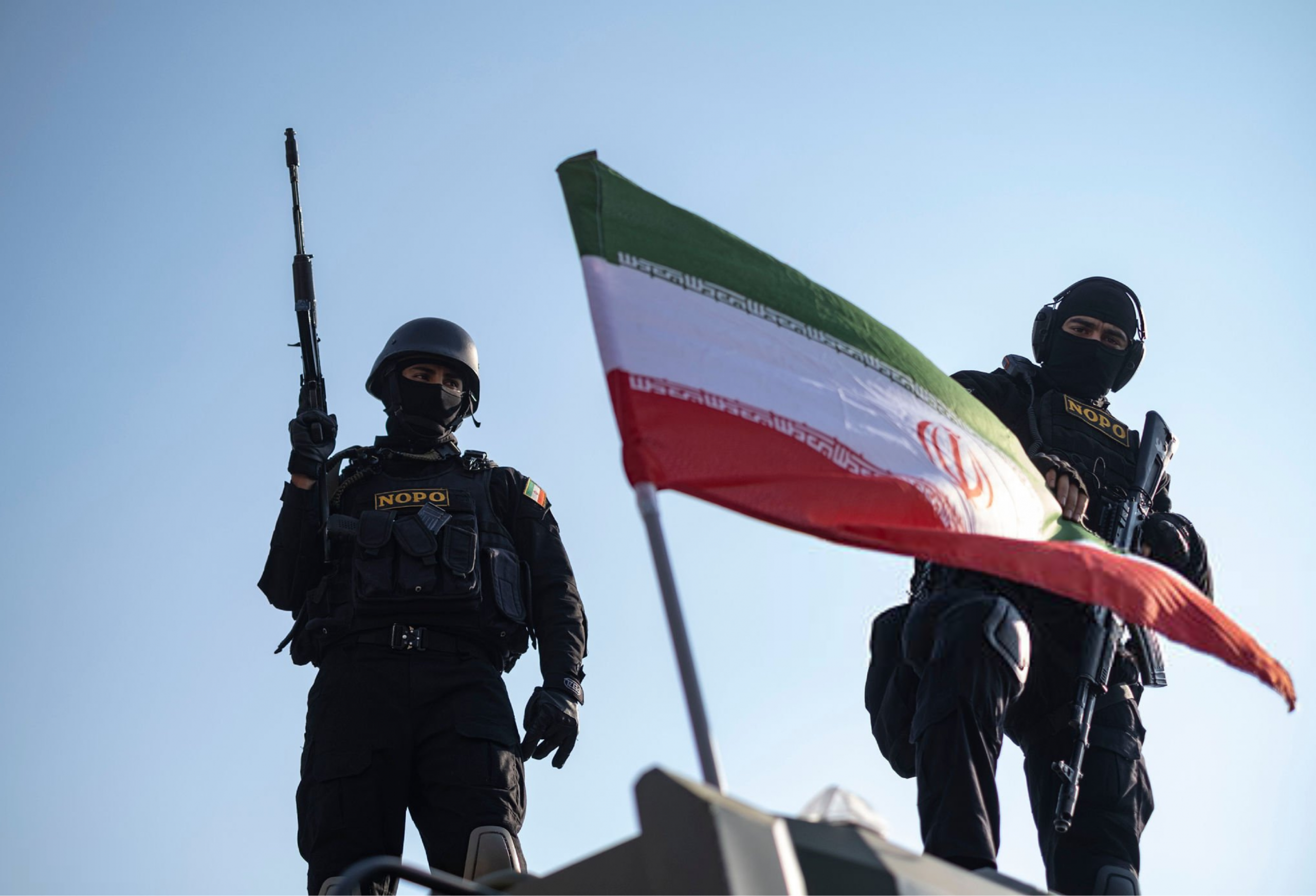
This dynamic has a name in the deterrence literature: the ratchet effect, in which each round of escalation resets the baseline for what both sides consider tolerable, making the next round of escalation both more likely and less remarkable when it occurs. Diplomatic announcements of imminent ceasefires have, on multiple occasions, been followed within days by renewed strikes, a sequence repeated often enough that it has become its own recognizable pattern rather than a series of isolated failures. Each collapse further erodes the credibility of the next announced breakthrough, making a durable settlement harder to achieve even if both sides eventually arrive at terms they might otherwise accept.
This is where tactical brilliance risks becoming a strategic liability. Confidence born of repeated operational success can lead to a systematic underestimation of an adversary’s capacity and willingness to escalate in return. Iran’s demonstrated ability to sustain damage to its energy exports, its military infrastructure, and even its top leadership, while still finding ways to impose real costs on the other side, suggests a level of strategic endurance that the war’s early framing did not anticipate.
The risk going forward is not merely that this miscalculation continues, but that it compounds. A government that has repeatedly underestimated an adversary’s staying power is at heightened risk of either overreaching, through strikes calibrated to a resolve that no longer accurately describes the adversary, or of becoming trapped in a posture of continuous escalation because de-escalation has come to look, politically, like an admission that the strategy has failed. Neither outcome serves the interests of a durable and favorable resolution.
Strategic Trap
Perhaps the most consequential failure of the campaign is not military but political: almost six months in, there is no clearly articulated theory of how this war ends. There has been no regime change. There has been no durable negotiated settlement, despite repeated announcements of imminent breakthroughs that have collapsed within days, a pattern that has itself become a story, with even sympathetic American commentary now openly noting that the administration “touts big peace deals… but struggles to follow through.” Military action without a defined political objective tends, over time, to become an end in itself.
This absence of a defined endgame is not a minor procedural gap. It is the central strategic failure of the war. Every major military campaign in modern history that has succeeded in translating tactical dominance into durable political outcomes has done so because its architects defined, in advance, what victory would concretely look like and calibrated military action toward that definition. What has characterized this war instead is a rolling series of tactical objectives—degrade this capability, eliminate that leader, disrupt this network—pursued without a clear answer to the question of what Iran’s government, or the region, is supposed to look like once those objectives are achieved.
What increasingly looks likely is not a decisive resolution in either direction, but the normalization of an ongoing, low-grade war, punctuated by periodic escalations, as the region’s baseline condition. This is arguably the most dangerous outcome of all: not a war that is won or lost, but a war that simply continues, absorbed into the fabric of regional politics as background noise rather than resolved conflict.
Iran, for its part, has not merely disrupted this traffic opportunistically. It has built institutional infrastructure around the disruption, establishing a “Persian Gulf Strait Authority” in May and asserting that no vessel may transit without a permit it issues, alongside compensation demands directed at “nations that have harmed Iran.” Whatever one makes of the legal validity of these claims, given that the strait includes Omani as well as Iranian territorial waters, the practical effect has been real and sustained: Iran has demonstrated the ability to impose lasting costs on the global economy, using the one piece of geography over which it retains genuine leverage, regardless of what happens to its military assets elsewhere.
It should be noted that the United States has also reimposed its own naval blockade on Iranian ports, meaning the disruption to regional shipping is not Iran’s doing alone. But this dual-blockade reality does not undercut the argument here; it reinforces it. Even accounting for American and allied countermeasures, the strait remains substantially closed nearly six months on, and neither side has demonstrated the ability to reopen it on its own terms. That is itself the strategic story: a chokepoint that both sides can disrupt, but that neither can fully control, has become a permanent pressure point on the global economy rather than a temporary casualty of war.
The costs extend beyond energy markets. The International Energy Agency has warned that the world is drawing down oil stockpiles at a pace that becomes more precarious the longer the strait remains substantially closed. Shipping companies have rerouted significant volumes around the Cape of Good Hope, adding weeks to transit times and raising freight costs across global supply chains that have already absorbed years of disruption from other crises. None of this shows up on a battlefield map, but all of it represents a real and mounting cost of a war that has not defined what it is trying to achieve.
Winning the Wrong War
Israel’s military achievements in this war are real, and they should not be minimized. The operational sophistication on display, from the assassination of Khamenei to the sustained degradation of Iranian military infrastructure, represents a genuine and historic demonstration of capability. But military capability and strategic victory are not the same thing, and almost six months into this war, the gap between them has become the defining fact of the conflict.
Iran’s regime has not collapsed. Its hardline factions have consolidated rather than fractured. And in the Strait of Hormuz, it has found a form of leverage that battlefield losses elsewhere cannot fully offset, one that inflicts continuing costs on the United States, Israel, and the global economy alike, with no resolution in sight. If tactical superiority was meant to produce a decisive and favorable end to this conflict, that end remains as undefined today as it was in February.
The central question with which this war began, whether Israel is shaping the outcome or being shaped by it, remains unresolved. But the longer this conflict continues without a coherent political endgame, the more the answer appears to tilt toward the latter. Without a defined theory of victory, even the most precise strikes risk becoming not the foundation of security, but the architecture of an open-ended war that neither side has yet found a way to win.
This matters for how the war is likely to be remembered even if Israeli and American strikes continue to achieve tactical success in the months ahead. A weakened, more marginal reformist wing means fewer plausible negotiating partners on the Iranian side who might have been willing, in a different political environment, to trade meaningful concessions for sanctions relief or a durable settlement. The war has, in effect, narrowed its own off-ramps by empowering the factions within Iran’s government least inclined to use them.
There is a real danger in reading Iran’s continued resistance as evidence of weakness rather than resolve. Iranian officials have shown a consistent willingness to absorb significant military losses without capitulating on the war’s core terms. Speaker of Parliament Mohammad Baqer Qalibaf’s comment that “management of the Strait will never return to the way it was before the war” is not the language of a government preparing to fold. It is the language of a government that has concluded it can outlast the pressure being applied to it.
This is precisely where the danger of strategic overconfidence becomes most acute. When a policy of sustained pressure fails to produce the anticipated capitulation, there are typically only two responses available: escalate further, or reassess the theory of the case. So far, the pattern in Washington and Jerusalem has leaned toward the former: more strikes, tighter blockades, harsher rhetoric, on the apparent assumption that greater pressure will eventually cross Tehran’s threshold of endurance. Nearly six months of evidence suggests that threshold may be considerably higher than initially assumed.
The Deterrence Question
Israel’s early operational successes could be read as a restoration of deterrence after the trauma of October 7. That reading deserves more scrutiny than it has received. Deterrence is not measured by the ability to strike; it is measured by the adversary’s willingness, going forward, to avoid the behavior the strikes were meant to punish. By that standard, the picture is far less clear. Iran has not de-escalated. It has adapted.
The distinction matters more than it might first appear. A state that absorbs a devastating strike and immediately sues for terms has been deterred. A state that absorbs a devastating strike, reorganizes its command structure, and continues fighting on modified terms has not been deterred so much as it has been forced to adapt its methods. Iran’s continued willingness to contest the Strait of Hormuz, to exchange strikes with U.S. and Israeli forces, and to reject repeated American diplomatic overtures on terms it considers unfavorable, all point toward the latter category, however uncomfortable that conclusion may be for those who framed the war’s early phase as a deterrence success.
Since the war began, the pattern has been strike, retaliation, brief pause, and renewed strike, repeating across more than five months with no durable ceasefire holding for more than a few weeks at a time. Each cycle has lowered the threshold for what counts as a justifiable escalation on both sides. Red lines that would once have been considered catastrophic—direct strikes on senior leadership, sustained attacks on critical infrastructure—have now been crossed multiple times by both parties without producing the kind of decisive outcome that would end the cycle.
This dynamic has a name in the deterrence literature: the ratchet effect, in which each round of escalation resets the baseline for what both sides consider tolerable, making the next round of escalation both more likely and less
remarkable when it occurs. Diplomatic announcements of imminent ceasefires have, on multiple occasions, been followed within days by renewed strikes, a sequence repeated often enough that it has become its own recognizable pattern rather than a series of isolated failures. Each collapse further erodes the credibility of the next announced breakthrough, making a durable settlement harder to achieve even if both sides eventually arrive at terms they might otherwise accept.
This is where tactical brilliance risks becoming a strategic liability. Confidence born of repeated operational success can lead to a systematic underestimation of an adversary’s capacity and willingness to escalate in return. Iran’s demonstrated ability to sustain damage to its energy exports, its military infrastructure, and even its top leadership, while still finding ways to impose real costs on the other side, suggests a level of strategic endurance that the war’s early framing did not anticipate.
The risk going forward is not merely that this miscalculation continues, but that it compounds. A government that has repeatedly underestimated an adversary’s staying power is at heightened risk of either overreaching, through strikes calibrated to a resolve that no longer accurately describes the adversary, or of becoming trapped in a posture of continuous escalation because de-escalation has come to look, politically, like an admission that the strategy has failed. Neither outcome serves the interests of a durable and favorable resolution.
Strategic Trap
Perhaps the most consequential failure of the campaign is not military but political: almost six months in, there is no clearly articulated theory of how this war ends. There has been no regime change. There has been no durable negotiated settlement, despite repeated announcements of imminent breakthroughs that have collapsed within days, a pattern that has itself become a story, with even sympathetic American commentary now openly noting that the administration “touts big peace deals… but struggles to follow through.” Military action without a defined political objective tends, over time, to become an end in itself.
This absence of a defined endgame is not a minor procedural gap. It is the central strategic failure of the war. Every major military campaign in modern history that has succeeded in translating tactical dominance into durable political outcomes has done so because its architects defined, in advance, what victory would concretely look like and calibrated military action toward that definition. What has characterized this war instead is a rolling series of tactical objectives—degrade this capability, eliminate that leader, disrupt this network—pursued without a clear answer to the question of what Iran’s government, or the region, is supposed to look like once those objectives are achieved.
What increasingly looks likely is not a decisive resolution in either direction, but the normalization of an ongoing, low-grade war, punctuated by periodic escalations, as the region’s baseline condition. This is arguably the most dangerous outcome of all: not a war that is won or lost, but a war that simply continues, absorbed into the fabric of regional politics as background noise rather than resolved conflict.
Iran, for its part, has not merely disrupted this traffic opportunistically. It has built institutional infrastructure around the disruption, establishing a “Persian Gulf Strait Authority” in May and asserting that no vessel may transit without a permit it issues, alongside compensation demands directed at “nations that have harmed Iran.” Whatever one makes of the legal validity of these claims, given that the strait includes Omani as well as Iranian territorial waters, the practical effect has been real and sustained: Iran has demonstrated the ability to impose lasting costs on the global economy, using the one piece of geography over which it retains genuine leverage, regardless of what happens to its military assets elsewhere.
It should be noted that the United States has also reimposed its own naval blockade on Iranian ports, meaning the disruption to regional shipping is not Iran’s doing alone. But this dual-blockade reality does not undercut the argument here; it reinforces it. Even accounting for American and allied countermeasures, the strait remains substantially closed nearly six months on, and neither side has demonstrated the ability to reopen it on its own terms. That is itself the strategic story: a chokepoint that both sides can disrupt, but that neither can fully control, has become a permanent pressure point on the global economy rather than a temporary casualty of war.
The costs extend beyond energy markets. The International Energy Agency has warned that the world is drawing down oil stockpiles at a pace that becomes more precarious the longer the strait remains substantially closed. Shipping companies have rerouted significant volumes around the Cape of Good Hope, adding weeks to transit times and raising freight costs across global supply chains that have already absorbed years of disruption from other crises. None of this shows up on a battlefield map, but all of it represents a real and mounting cost of a war that has not defined what it is trying to achieve.
Winning the Wrong War
Israel’s military achievements in this war are real, and they should not be minimized. The operational sophistication on display, from the assassination of Khamenei to the sustained degradation of Iranian military infrastructure, represents a genuine and historic demonstration of capability. But military capability and strategic victory are not the same thing, and almost six months into this war, the gap between them has become the defining fact of the conflict.
Iran’s regime has not collapsed. Its hardline factions have consolidated rather than fractured. And in the Strait of Hormuz, it has found a form of leverage that battlefield losses elsewhere cannot fully offset, one that inflicts continuing costs on the United States, Israel, and the global economy alike, with no resolution in sight. If tactical superiority was meant to produce a decisive and favorable end to this conflict, that end remains as undefined today as it was in February.
The central question with which this war began, whether Israel is shaping the outcome or being shaped by it, remains unresolved. But the longer this conflict continues without a coherent political endgame, the more the answer appears to tilt toward the latter. Without a defined theory of victory, even the most precise strikes risk becoming not the foundation of security, but the architecture of an open-ended war that neither side has yet found a way to win.
Recommended
Why a Weak Russia Is Still Dangerous
What the Iran War Reveals About U.S. Global Leadership
The Exhaustion of Democracy Promotion
A Zero-Sum Strategy that Expands Jihadist Recruitment and Civilian Harm

The Empire That Fights to Exist