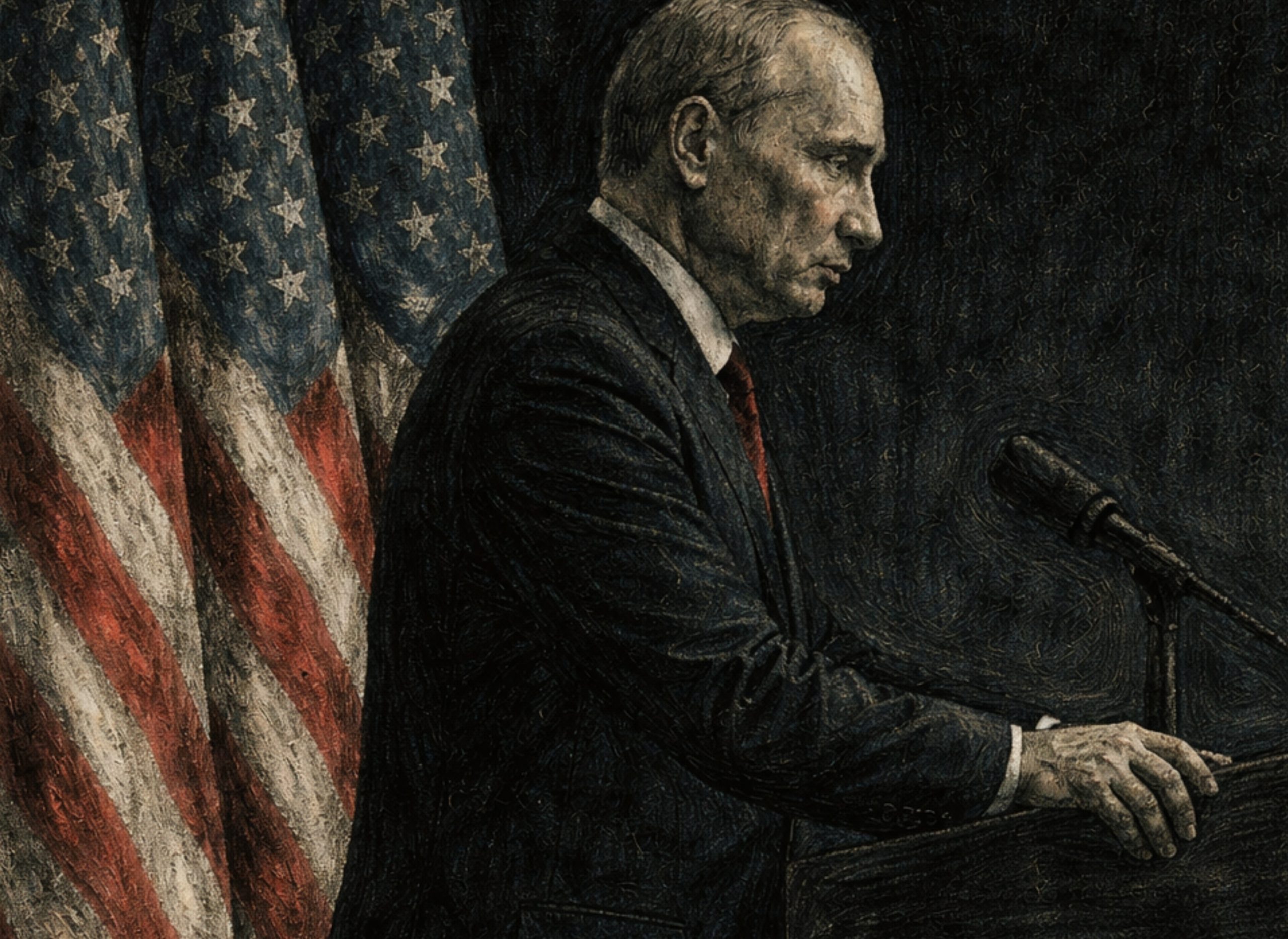


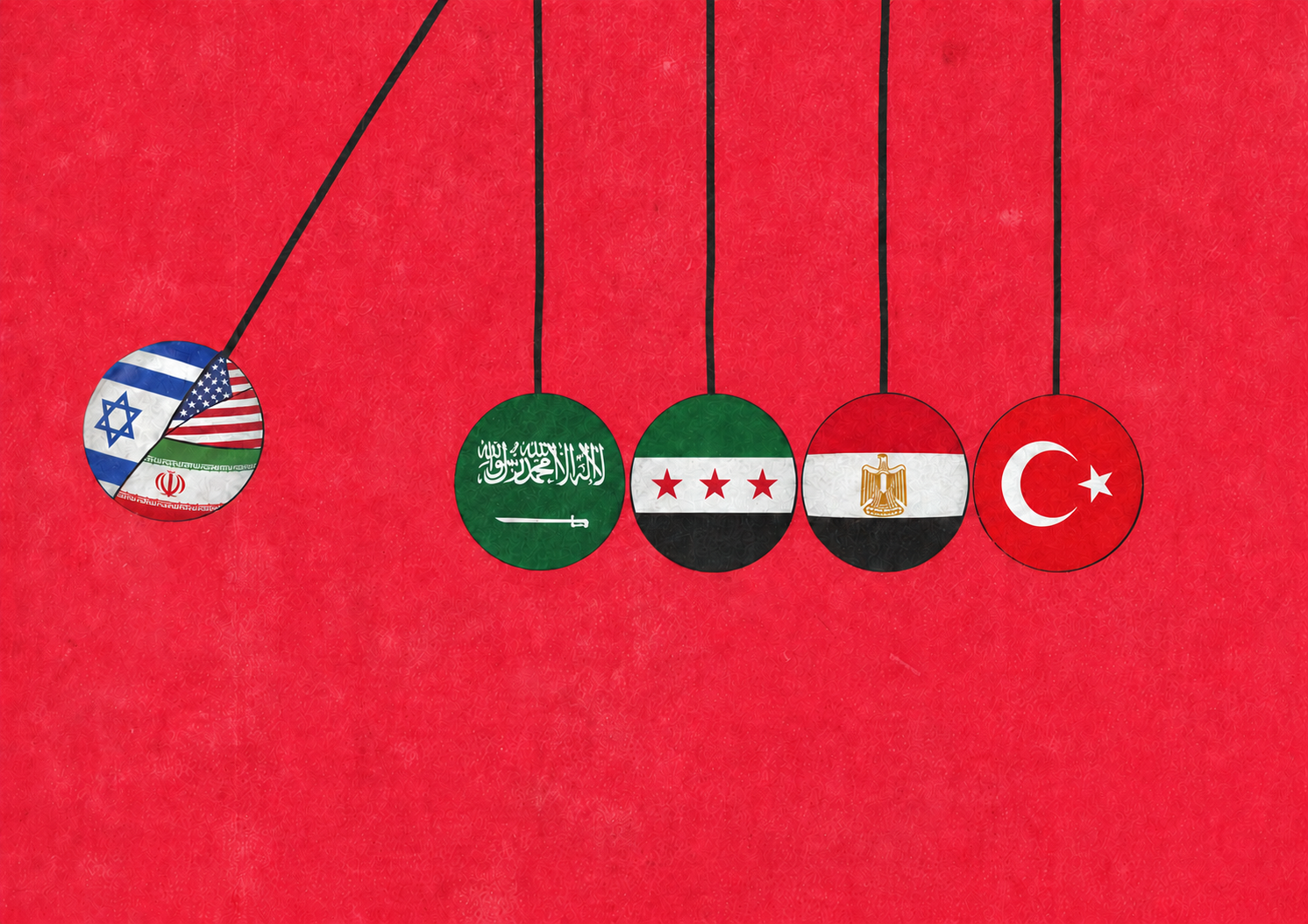
This illustration has been created by AI to use only in this article.
The 2026 U.S./Israeli military campaign against Iran is one more example of the U.S. being unable to assert its will in the Middle East through military means. The earlier U.S.-led wars in Afghanistan and Iraq, as well as Washington’s “War on Terror” generally, were also examples of this phenomenon. There is, though, an important difference between these earlier campaigns on the one hand and the recent one on the other. The American-led military efforts in Afghanistan and Iraq did succeed in quickly toppling the governments of these two countries. By contrast, the 2026 U.S./Israeli war against Iran not only failed to achieve the goal of toppling the Iranian government, but appears most unlikely to do so now. Furthermore, the U.S./Israeli war against Iran has not demonstrably succeeded in achieving its other stated goal of definitively preventing Iran from acquiring nuclear weapons.
In addition, the U.S. and its allies have become worse off in that while Gulf petroleum exports flowed freely through the vital Strait of Hormuz before the war, Iran has succeeded in inhibiting petroleum exports from the Arab states of the Persian Gulf after its outbreak. The Iranian-backed Houthis in Yemen are similarly attempting to inhibit Saudi petroleum exports via the Bab al-Mandab Strait at the southern end of the Red Sea. The U.S. and its allies have so far been unable to force or persuade Iran and the Houthis to stop undertaking these actions, which will serve to elevate the price of petroleum so long as they continue.
Setbacks in the war against Iran combined with the Trump administration’s desire to cut back on support for allies in general, declining American public support for Israel among both Democrats and Republicans, and the Trump administration’s efforts to reach a quick agreement ending the war with Iran have all served to cast doubt on America’s ability and even willingness to continue acting as a great power in the Middle East. Several of America’s traditional allies in the Middle East—especially in the Gulf—are highly concerned about just this. The U.S., though, is not the only external great power which has proved unable to assert its will through military means in the Middle East. The December 2024 downfall of the Assad regime in Syria, which Russia—along with Iran—had engaged in an extended military intervention to defend, has shown the limits of Russian power in the region.
is a professor emeritus of government and politics at the George Mason University Schar School of Policy and Government, and a nonresident senior fellow at the Atlantic Council.
The 2026 U.S./Israeli military campaign against Iran is one more example of the U.S. being unable to assert its will in the Middle East through military means. The earlier U.S.-led wars in Afghanistan and Iraq, as well as Washington’s “War on Terror” generally, were also examples of this phenomenon. There is, though, an important difference between these earlier campaigns on the one hand and the recent one on the other. The American-led military efforts in Afghanistan and Iraq did succeed in quickly toppling the governments of these two countries. By contrast, the 2026 U.S./Israeli war against Iran not only failed to achieve the goal of toppling the Iranian government, but appears most unlikely to do so now. Furthermore, the U.S./Israeli war against Iran has not demonstrably succeeded in achieving its other stated goal of definitively preventing Iran from acquiring nuclear weapons.
In addition, the U.S. and its allies have become worse off in that while Gulf petroleum exports flowed freely through the vital Strait of Hormuz before the war, Iran has succeeded in inhibiting petroleum exports from the Arab states of the Persian Gulf after its outbreak. The Iranian-backed Houthis in Yemen are similarly attempting to inhibit Saudi petroleum exports via the Bab al-Mandab Strait at the southern end of the Red Sea. The U.S. and its allies have so far been unable to force or persuade Iran and the Houthis to stop undertaking these actions, which will serve to elevate the price of petroleum so long as they continue.
Setbacks in the war against Iran combined with the Trump administration’s desire to cut back on support for allies in general, declining American public support for Israel among both Democrats and Republicans, and the Trump administration’s efforts to reach a quick agreement ending the war with Iran have all served to cast doubt on America’s ability and even willingness to continue acting as a great power in the Middle East. Several of America’s traditional allies in the Middle East—especially in the Gulf—are highly concerned about just this. The U.S., though, is not the only external great power which has proved unable to assert its will through military means in the Middle East. The December 2024 downfall of the Assad regime in Syria, which Russia—along with Iran—had engaged in an extended military intervention to defend, has shown the limits of Russian power in the region.
is a professor emeritus of government and politics at the George Mason University Schar School of Policy and Government, and a nonresident senior fellow at the Atlantic Council.
Just as remarkable as the decline of American and Russian ability to act as great powers in the Middle East has been the lack of a replacement for them in this role by any other external great power. For all its economic interests and influence in the region, China has not shown a willingness to become militarily involved in the Middle East. Nor has Europe, India, or any other power in Asia or elsewhere—at least so far. This combination of factors raises a momentous possibility about the future security order in the Middle East: It is not just that the U.S. and Russia may play less of a role in the region, but that no external power may do so, thus leaving the region’s security order to be shaped mainly by regional powers located within the Middle East.
Who Rules the Middle East?
If this occurs, it would actually not be something new, but a reversion to an older pattern that existed before the 19th century. At least since the birth of Islam, the Middle East was usually dominated by powers internal to the region. Arab caliphates were the first of these, but with their decline, the Ottoman and Persian Empires became the most important powers in the region. Indeed, the Ottoman Empire not only became the predominant power in the Middle East, but a great power in Europe as well. From the late 18th century through the early 20th century, however, the decline of both these two Middle Eastern great powers (and, of course, the collapse of the Ottoman Empire in the early 20th century) occurred at the same time as three external powers in particular—Britain, France, and (if one includes the Caucasus and Central Asia as part of the greater Middle East) Russia—gained influence and even control over much of the region, with Italy and Germany competing with them in this after each of their unifications in the mid-19th century. During the 20th century, the influence of Western European countries declined while that of the U.S. and the USSR rose, especially during the Cold War era.
The decline of Moscow’s influence in the Middle East that occurred in the Gorbachev and Yeltsin eras contributed to America appearing to become a unipolar great power both in the Middle East and throughout the world. American influence in the Middle East, though, appeared to decline as the War on Terror went on and Russian influence made something of a comeback under Putin. During the 19th, 20th, and early 21st centuries, then, external great powers played a strong role in shaping the Middle East’s security order. Some of these external great powers, of course, lost influence in the region. But whenever this happened, some other external great power gained influence there. What is noteworthy about the recent decline in both Russian and American influence in the region is that these are not yet being replaced by other external great powers, at least in military terms.
External powers playing less of a role—at least for now—provides opportunities for Middle Eastern powers to once again become the principal actors in the region. However, unlike during the heyday of the Ottoman Empire when it was the predominant great power in the region before the rise of European great powers, there is not now one predominant internal great power in the Middle East like India is in South Asia, China is in East Asia, and Brazil could be in South America. In the Middle East, by contrast, there are arguably four regional great powers: Türkiye, Iran, Saudi Arabia, and Egypt.
Just as remarkable as the decline of American and Russian ability to act as great powers in the Middle East has been the lack of a replacement for them in this role by any other external great power. For all its economic interests and influence in the region, China has not shown a willingness to become militarily involved in the Middle East. Nor has Europe, India, or any other power in Asia or elsewhere—at least so far. This combination of factors raises a momentous possibility about the future security order in the Middle East: It is not just that the U.S. and Russia may play less of a role in the region, but that no external power may do so, thus leaving the region’s security order to be shaped mainly by regional powers located within the Middle East.
Who Rules the Middle East?
If this occurs, it would actually not be something new, but a reversion to an older pattern that existed before the 19th century. At least since the birth of Islam, the Middle East was usually dominated by powers internal to the region. Arab caliphates were the first of these, but with their decline, the Ottoman and Persian Empires became the most important powers in the region. Indeed, the Ottoman Empire not only became the predominant power in the Middle East, but a great power in Europe as well. From the late 18th century through the early 20th century, however, the decline of both these two Middle Eastern great powers (and, of course, the collapse of the Ottoman Empire in the early 20th century) occurred at the same time as three external powers in particular—Britain, France, and (if one includes the Caucasus and Central Asia as part of the greater Middle East) Russia—gained influence and even control over much of the region, with Italy and Germany competing with them in this after each of their unifications in the mid-19th century. During the 20th century, the influence of Western European countries declined while that of the U.S. and the USSR rose, especially during the Cold War era.
The decline of Moscow’s influence in the Middle East that occurred in the Gorbachev and Yeltsin eras contributed to America appearing to become a unipolar great power both in the Middle East and throughout the world. American influence in the Middle East, though, appeared to decline as the War on Terror went on and Russian influence made something of a comeback under Putin. During the 19th, 20th, and early 21st centuries, then, external great powers played a strong role in shaping the Middle East’s security order. Some of these external great powers, of course, lost influence in the region. But whenever this happened, some other external great power gained influence there. What is noteworthy about the recent decline in both Russian and American influence in the region is that these are not yet being replaced by other external great powers, at least in military terms.
External powers playing less of a role—at least for now—provides opportunities for Middle Eastern powers to once again become the principal actors in the region. However, unlike during the heyday of the Ottoman Empire when it was the predominant great power in the region before the rise of European great powers, there is not now one predominant internal great power in the Middle East like India is in South Asia, China is in East Asia, and Brazil could be in South America. In the Middle East, by contrast, there are arguably four regional great powers: Türkiye, Iran, Saudi Arabia, and Egypt.
One thing is absolutely certain: the many ongoing conflicts and rivalries within the Middle East will continue whether external powers are deeply involved in the region or not.
However, some states with smaller populations also play outsize roles, including Israel, the United Arab Emirates (UAE), and Qatar. Active Middle Eastern powers, of course, are not something new, as there have been several of these even when external great powers dominated the region. Just since the end of World War II, these have included Egypt under Nasser, Iraq under Saddam Hussein, and Iran under both the Shah and the Islamic Republic. Israel, among others, has also played the role of regional power. Up until now, though, the ambitions of these regional powers were strongly supported or opposed by various external powers.
The Middle East on Its Own
If indeed external great powers are no longer going to be as active in supporting states and other actors in the region as they have been in the past, then what might the emerging security order of the Middle East be like? One thing is absolutely certain: the many ongoing conflicts and rivalries within the Middle East will continue whether external powers are deeply involved in the region or not. These rivalries include: Iran and its Shi’a allies (especially Hezbollah) vs. Israel; Iran and its Shi’a allies (especially the Houthis) vs. Gulf Arab states; Israel vs. Hamas and the Palestinians generally; Saudi Arabia vs. the UAE in Yemen, Somalia, and Sudan; Türkiye vs. Israel in Syria; Türkiye vs. Egypt and the UAE in Libya; and Algeria vs. Morocco over Western Sahara.
If a new era is arriving in which external powers are no longer willing or able to intervene militarily in or provide as much military support to the Middle East as they have in the past, this may increase the incentive of Middle Eastern states to acquire nuclear weapons—especially if their rivals in the region acquire them or just seem likely to. Those opposed to nuclear proliferation understandably fear that Middle Eastern states acquiring nuclear weapons will lead to nuclear war in the region. Some observers have noted, though, that states possessing nuclear weapons have so far avoided going to war with each other. It is reasonable to ask whether Middle Eastern states possessing nuclear weapons could be expected to behave differently. Still, it must be noted that Israel’s possession of nuclear weapons has not prevented others from engaging in conflict with it via conventional means. Acquiring nuclear weapons, then, may not immunize other Middle Eastern states from involvement in conventional conflict either.
The 2026 U.S./Israeli attack on Iran has not only led to Iranian efforts to halt shipping via the Strait of Hormuz, but also to Iranian attacks on several nearby Arab states and Israel, as well as attacks by its non-state allies on them. This has led to the understandable concern of a major war spreading throughout the region, and perhaps even beyond. In my view, though, there is little appetite in the Middle East on the part of any state for engaging in a major, long-term war with large numbers of ground forces experiencing heavy casualties such as the 1980–88 Iran-Iraq War or the Russian-Ukrainian war since 2022.
Indeed, the perpetrators of these two wars—Saddam Hussein in 1980 and Vladimir Putin in 2022—did not anticipate extended conflict but mistakenly hoped to gain quick victories instead. Saudi Crown Prince Mohammed bin Salman also appears to have mistakenly anticipated a quick victory in Yemen at the outset of the Kingdom’s intervention against the Houthis in 2015, as did Trump and Netanyahu when they launched their war against Iran in 2026. The prospect of not receiving support from external great powers might further deter Middle Eastern states from risking direct military involvement in extended ground conflict requiring them to mobilize large numbers of troops. But as previous experience has shown, an extended war can occur when a leader mistakenly believes that launching a war will result in a quick victory.
Iran has long sought to avoid involvement in ground war itself by supporting various “proxies” (Hezbollah, the Houthis, Iraqi Shi’a militias) against states that Tehran has been at odds with. To the extent that these groups engage in conflict with Iran’s regional adversaries, they subtract from the resources available to those states for engaging in direct conflict with Iran. Going forward, Iranian support for nonstate allies willing to fight Iran’s adversaries might be even more effective if the latter are no longer receiving as much assistance from external powers as before. Still, there are limits to the effectiveness of Iran’s strategy.
However, some states with smaller populations also play outsize roles, including Israel, the United Arab Emirates (UAE), and Qatar. Active Middle Eastern powers, of course, are not something new, as there have been several of these even when external great powers dominated the region. Just since the end of World War II, these have included Egypt under Nasser, Iraq under Saddam Hussein, and Iran
under both the Shah and the Islamic Republic. Israel, among others, has also played the role of regional power. Up until now, though, the ambitions of these regional powers were strongly supported or opposed by various external powers.
The Middle East on Its Own
If indeed external great powers are no longer going to be as active in supporting states and other actors in the region as they have been in the past, then what might the emerging security order of the Middle East be like? One thing is absolutely certain: the many ongoing conflicts and rivalries within the Middle East will continue whether external powers are deeply involved in the region or not. These rivalries include: Iran and its Shi’a allies (especially Hezbollah) vs. Israel; Iran and its Shi’a allies (especially the Houthis) vs. Gulf Arab states; Israel vs. Hamas and the Palestinians generally; Saudi Arabia vs. the UAE in Yemen, Somalia, and Sudan; Türkiye vs. Israel in Syria; Türkiye vs. Egypt and the UAE in Libya; and Algeria vs. Morocco over Western Sahara.
If a new era is arriving in which external powers are no longer willing or able to intervene militarily in or provide as much military support to the Middle East as they have in the past, this may increase the incentive of Middle Eastern states to acquire nuclear weapons—especially if their rivals in the region acquire them or just seem likely to. Those opposed to nuclear proliferation understandably fear that Middle Eastern states acquiring nuclear weapons will lead to nuclear war in the region. Some observers have noted, though, that states possessing nuclear weapons have so far avoided going to war with each other. It is reasonable to ask whether Middle Eastern states possessing nuclear weapons could be expected to behave differently. Still, it must be noted that Israel’s possession of nuclear weapons has not prevented others from engaging in conflict with it via conventional means. Acquiring nuclear weapons, then, may not immunize other Middle Eastern states from involvement in conventional conflict either.
The 2026 U.S./Israeli attack on Iran has not only led to Iranian efforts to halt shipping via the Strait of Hormuz, but also to Iranian attacks on several nearby Arab states and Israel, as well as attacks by its non-state allies on them. This has led to the understandable concern of a major war spreading throughout the region, and perhaps even beyond. In my view, though, there is little appetite in the Middle East on the part of any state for engaging in a major, long-term war with large numbers of ground forces experiencing heavy casualties such as the 1980–88 Iran-Iraq War or the Russian-Ukrainian war since 2022.
Indeed, the perpetrators of these two wars—Saddam Hussein in 1980 and Vladimir Putin in 2022—did not anticipate extended conflict but mistakenly hoped to gain quick victories instead. Saudi Crown Prince Mohammed bin Salman also appears to have mistakenly anticipated a quick victory in Yemen at the outset of the Kingdom’s intervention against the Houthis in 2015, as did Trump and Netanyahu when they launched their war against Iran in 2026. The prospect of not receiving support from external great powers might further deter Middle Eastern states from risking direct military involvement in extended ground conflict requiring them to mobilize large numbers of troops. But as previous experience has shown, an extended war can occur when a leader mistakenly believes that launching a war will result in a quick victory.
Iran has long sought to avoid involvement in ground war itself by supporting various “proxies” (Hezbollah, the Houthis, Iraqi Shi’a militias) against states that Tehran has been at odds with. To the extent that these groups engage in conflict with Iran’s regional adversaries, they subtract from the resources available to those states for engaging in direct conflict with Iran. Going forward, Iranian support for nonstate allies willing to fight Iran’s adversaries might be even more effective if the latter are no longer receiving as much assistance from external powers as before. Still, there are limits to the effectiveness of Iran’s strategy.
To begin with, “proxies” are independent actors in their own right with their own agendas. They will not necessarily fight against Iran’s opponents when Tehran wants them to or stop fighting at Tehran’s direction either. Further, as the experiences of both the Assad regime in 2024 and Hamas since October 2023 have shown, Iran may not be able to prevent its allies from being defeated or seriously weakened. Finally, supporting “proxies” is a game that others can play too. Iran’s adversaries can retaliate by supporting various nonstate actors willing to fight Iran or its allies, such as anti-Shi’a Sunni movements (including Al Qaeda affiliates) or Iran’s many non-Persian minorities.
Another strategy that Middle Eastern states can pursue in an environment where conflict and rivalry in the region continue but involvement by external powers in them declines is the formation of regional alliances against common adversaries. Indeed, this process has already begun to some extent. The UAE and Israel have been cooperating with each other in the security realm, and both have been supporting Somaliland (the part of northern Somalia seeking recognition for the independence of former British Somaliland from its unification with former Italian Somaliland after both became independent in 1960). The August 2026 Mecca Joint Defense Agreement between Türkiye, Pakistan, and Saudi Arabia is another example of regional alliance formation.
There has also been growing cooperation between the four main Sunni powers in the greater Middle East: Turkiye, Saudi Arabia, Egypt, and Pakistan. Given the multiplicity of disagreements in the Middle East, however, this process will only succeed if states at odds on some issues are able to put aside their differences for the sake of joint cooperation against common adversaries. Such alliances, though, could be temporary and ever-changing. There could also be surprises. If Netanyahu’s successors continue his apparent belief that “Turkiye is worse than Iran,” then a logical consequence of this is that Israel might one day seek an alliance (even if tacit) with Iran!
Mixed Picture
Just because external great powers are currently seeking to reduce their involvement, or avoid becoming involved, in the Middle East, this may not always be the case. As in the past, Middle Eastern states fearing their neighbors may actively, even desperately, seek their support. External great powers may also want to become more involved as their domestic political circumstances and foreign policy concerns change. One strong incentive they may have for increasing their involvement may, as in the past, be the desire to prevent their great-power rivals from becoming predominant in the region—a fear that Middle Eastern actors have often exploited in the past.
In other words: the era of external great powers avoiding involvement in the Middle East that currently appears to be dawning may well prove to be temporary. Yet even if some external great powers resume and others begin playing an active role in the Middle East, the future security order of the region is likely to be one in which militarily and economically stronger Middle Eastern states play a stronger role in the region. Indeed, those Middle Eastern states that can may even pursue their rivalries through playing an active role in supporting rival powers within neighboring regions, such as Africa, the former Soviet Union, and perhaps even Europe and the West more broadly. The relationship between Middle Eastern powers and external ones may become even more complex than it has been in the past.
To begin with, “proxies” are independent actors in their own right with their own agendas. They will not necessarily fight against Iran’s opponents when Tehran wants them to or stop fighting at Tehran’s direction either. Further, as the experiences of both the Assad regime in 2024 and Hamas since October 2023 have shown, Iran may not be able to prevent its allies from being defeated or seriously weakened. Finally, supporting “proxies” is a game that others can play too. Iran’s adversaries can retaliate by supporting various nonstate actors willing to fight Iran or its allies, such as anti-Shi’a Sunni movements (including Al Qaeda affiliates) or Iran’s many non-Persian minorities.
Another strategy that Middle Eastern states can pursue in an environment where conflict and rivalry in the region continue but involvement by external powers in them declines is the formation of regional alliances against common adversaries. Indeed, this process has already begun to some extent. The UAE and Israel have been cooperating with each other in the security realm, and both have been supporting Somaliland (the part of northern Somalia seeking recognition for the independence of former British Somaliland from its unification with former Italian Somaliland after both became independent in 1960). The August 2026 Mecca Joint Defense Agreement between Türkiye, Pakistan, and Saudi Arabia is another example of regional alliance formation.
There has also been growing cooperation between the four main Sunni powers in the greater Middle East: Turkiye, Saudi Arabia, Egypt, and Pakistan. Given the multiplicity of disagreements in the Middle East, however, this process will only succeed if states at odds on some issues are able to put aside their differences for the sake of joint cooperation against common adversaries. Such alliances, though, could be temporary and ever-changing. There could also be surprises. If Netanyahu’s successors continue his apparent belief that “Turkiye is worse than Iran,” then a logical consequence of this is that Israel might one day seek an alliance (even if tacit) with Iran!
Mixed Picture
Just because external great powers are currently seeking to reduce their involvement, or avoid becoming involved, in the Middle East, this may not always be the case. As in the past, Middle Eastern states fearing their neighbors may actively, even desperately, seek their support. External great powers may also want to become more involved as their domestic political circumstances and foreign policy concerns change. One strong incentive they may have for increasing their involvement may, as in the past, be the desire to prevent their great-power rivals from becoming predominant in the region—a fear that Middle Eastern actors have often exploited in the past.
In other words: the era of external great powers avoiding involvement in the Middle East that currently appears to be dawning may well prove to be temporary. Yet even if some external great powers resume and others begin playing an active role in the Middle East, the future security order of the region is likely to be one in which militarily and economically stronger Middle Eastern states play a stronger role in the region. Indeed, those Middle Eastern states that can may even pursue their rivalries through playing an active role in supporting rival powers within neighboring regions, such as Africa, the former Soviet Union, and perhaps even Europe and the West more broadly. The relationship between Middle Eastern powers and external ones may become even more complex than it has been in the past.
Recommended
The Strategic Cost of America’s Confidence Crisis
Why Xi Has Built Power But Not a Future
India’s Autonomy in a Coercive Era
Redefining U.S. Security in a Two-Front World
The Last Ayatollah