

UNBI CHOI
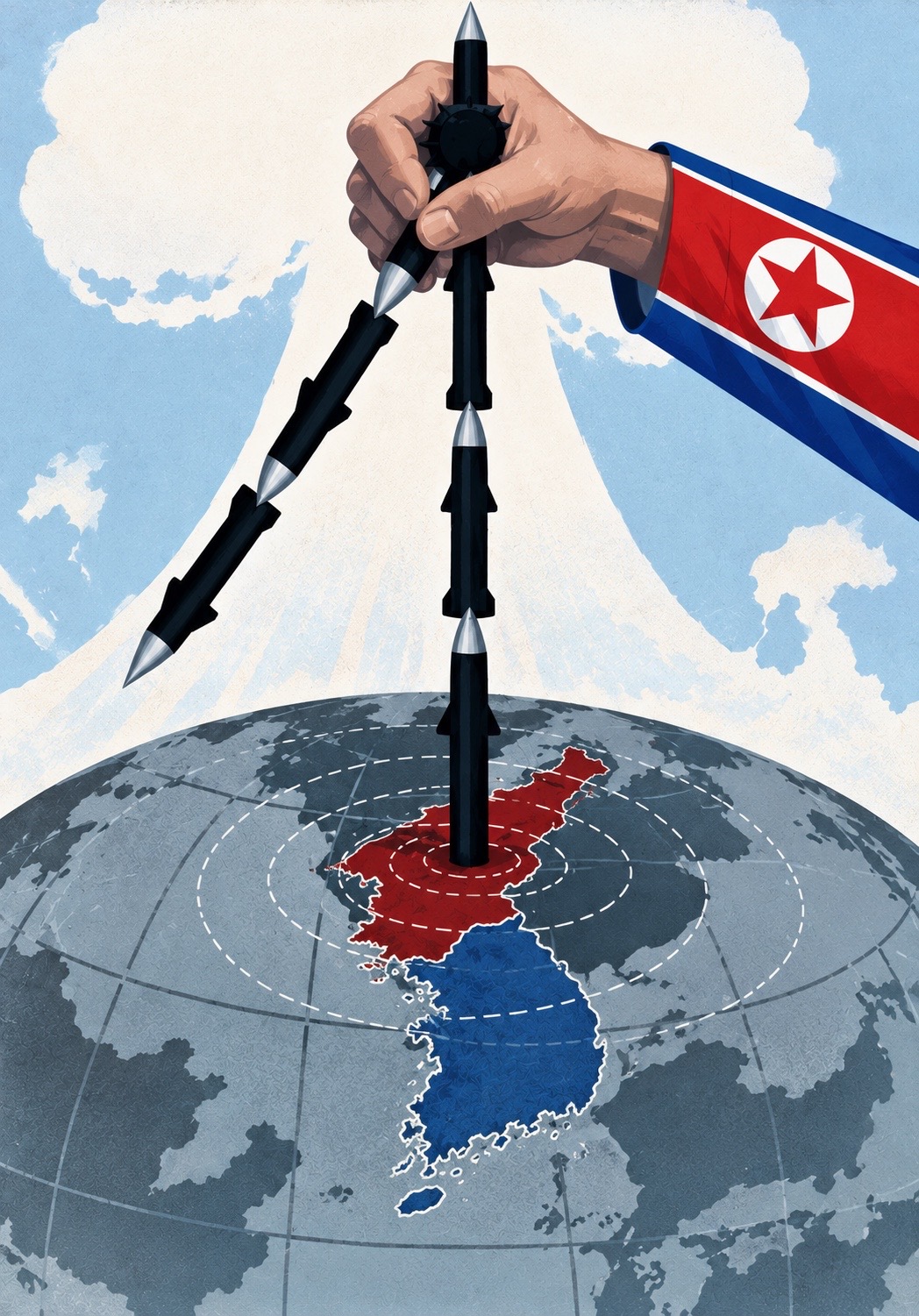
The Korean Peninsula once had relatively clear strategic boundaries. By night, satellite images revealed the stark contrast between the lights of North and South Korea. Military tensions persisted along the Demilitarized Zone, while North Korea’s nuclear weapons and ballistic missile programs remained the defining source of regional insecurity. Today, that picture is beginning to blur. A major turning point came with the war in Ukraine. There, North Korea’s strategic partnership with Russia translated into growing involvement in a conflict that has devastated Ukrainian territory. At the same time, the growing risk of nuclear, missile, and other military technology proliferation has become increasingly difficult to ignore. That may be the warning: North Korea could fuel future crises, from the Taiwan Strait to confrontations involving Iran, the United States, and Israel.
Meanwhile, strategic competition between the United States and China has expanded beyond trade and diplomacy. It has increasingly shifted toward emerging technologies, particularly artificial intelligence. How could these transformations reshape the balance of power? What has changed is the strategic landscape surrounding the peninsula. In this new environment, the Korean Peninsula is no longer just a regional security issue. Korea—a nation divided by ideology—is increasingly becoming part of global great-power competition. It is as if the Cold War has found a new chapter.
North Korea is still widely perceived as one of the world’s most isolated states. Yet this image did not emerge overnight. There is a story behind how North Korea has survived in the international system—a story that reveals the consistent strategic logic shaping its behavior today. North Korea has chosen its own destiny while navigating the changing world around it. From its founding, its leaders sought to secure the country’s survival by carefully navigating between two major powers: China and the Soviet Union. When the Democratic People’s Republic of Korea was established in 1948, the Soviet Union provided extensive political, economic, and military assistance. In 1950, North Korea crossed the 38th parallel and invaded South Korea with Soviet backing, triggering the Korean War.
That relationship began to fracture in 1953—the year Stalin died and the Korean War Armistice Agreement was signed. Three years later, Nikita Khrushchev denounced Stalin’s cult of personality, helping to trigger the Sino-Soviet split. For North Korea, the implications were unmistakable: the two great powers upon which its security depended were beginning to drift apart. The emerging rivalry offered North Korea a lasting lesson: relying heavily on a single great power could threaten the regime’s survival. Kim Il Sung therefore pursued a strategy of balancing between Beijing and Moscow. He declared Juche, or self-reliance, as the very foundation of the North Korean system. It served as an ideological doctrine for maintaining internal control while seeking to reduce external dependence and preserve the regime’s autonomy.
Under Mikhail Gorbachev, the Soviet Union began establishing diplomatic relations with South Korea. The fall of the Berlin Wall in 1989 and the dissolution of the Soviet Union in 1991 both contributed to the end of the Cold War. In the mid-to-late 1990s, North Korea experienced a severe famine known as the Arduous March. From Pyongyang’s perspective, these developments carried a clear lesson: seemingly durable political systems could collapse, and even long-standing allies could fundamentally change. North Korea learned that excessive dependence on outside powers could become a strategic vulnerability. It developed a foreign policy that followed a simple principle in navigating the major powers of Eurasia—regime first. Against this backdrop, under Kim Jong Il’s leadership, North Korea expanded its military capabilities through Songun, or military-first politics. Nuclear weapons were defined as both a deterrent and a strategic asset that reduced dependence on any single partner while expanding Pyongyang’s diplomatic leverage.
is an independent researcher and the head of the NGO Korea of All. Her research focuses on international security, human security, and North Korea.
How America’s Liberal Order Lost Its Domestic Foundation
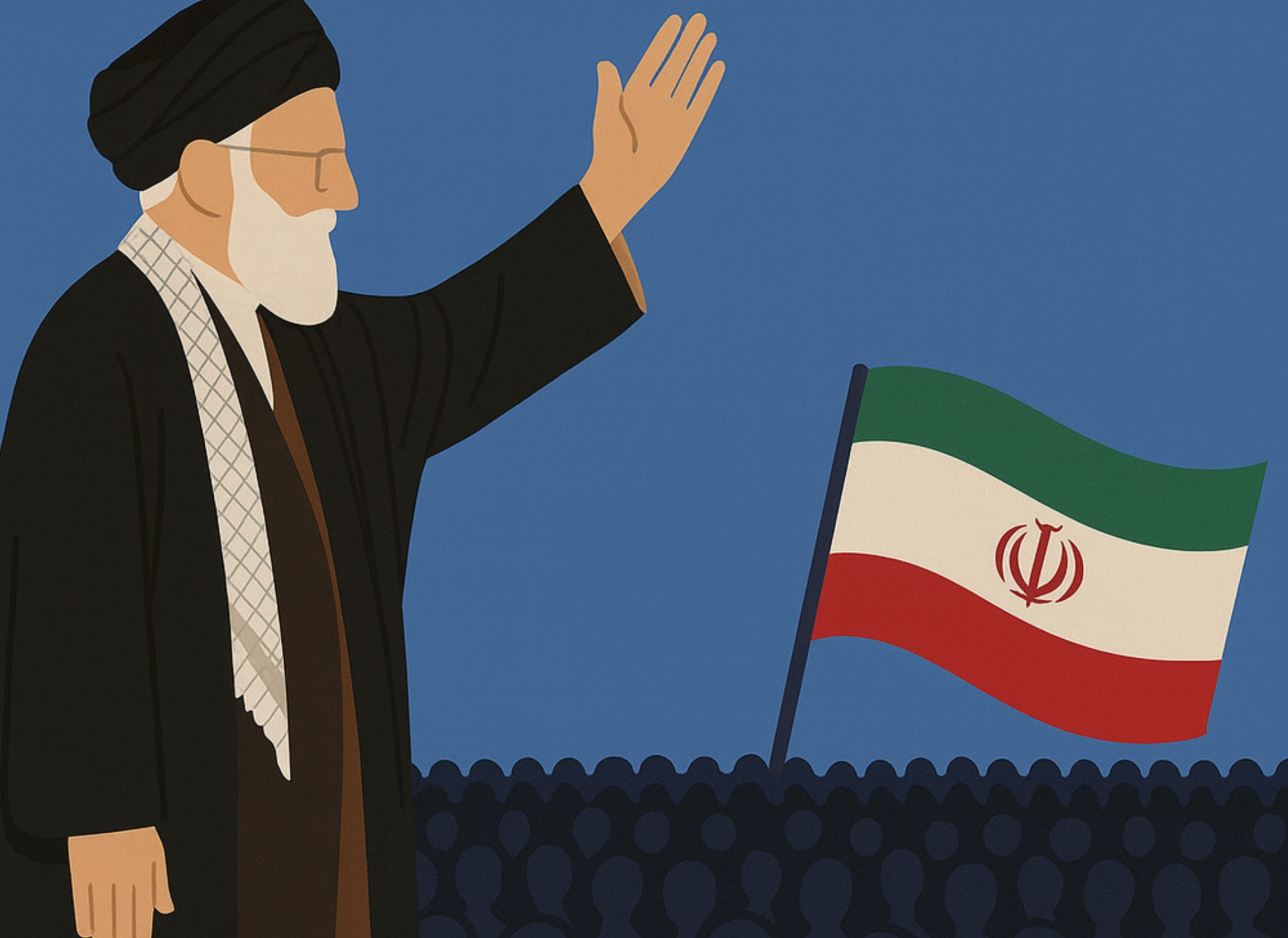
Under Kim Jong Un, this approach became even more pronounced. In December 2013, he executed Jang Song Thaek, a powerful figure within the regime. Fear and uncertainty spread throughout Pyongyang as Kim Jong Un tightened his grip on the regime. The fall of Jang was particularly significant because of his close ties to China. As Kim Jong Un consolidated his power, another pattern became clearer. North Korea’s relationships with China and Russia were increasingly shaped by changing strategic circumstances. Beijing may remain Pyongyang’s most important neighbor. Yet importance does not always translate into trust. North Korea has continued to adjust its relationships with its neighboring powers according to its strategic interests.
The Russia–Ukraine war made this long-standing strategy visible to the world. Through its partnership with Russia, North Korea emerged as a strategic actor. It has used the changing international environment to exploit great-power competition for its own strategic benefit. It is actively leveraging rivalry among major powers to strengthen its bargaining position. What began as a strategy of survival has increasingly become a source of strategic leverage. The message is clear: North Korea’s isolation has itself become part of its strategic experience. Decades of navigating isolation have taught the regime how to identify fractures among major powers and turn them into opportunities to advance its own survival.
The war in Ukraine has opened a new chapter in North Korea–Russia relations and their strategic partnership. As the war has dragged on, Russia has received weapons, ammunition, and personnel support from North Korea. For Pyongyang, meanwhile, Russia has become an opportunity to gain not only economic benefits but also military technology and operational knowledge. After decades of distance following the collapse of the Soviet Union, North Korea and Russia have found strategic value in each other once again.
This new picture of the 21st century shows that North Korea is not merely a recipient of support—it is becoming a strategic partner that helps sustain Russia’s war effort, in a relationship that in some ways recalls the Korean War. Relations with Russia provide North Korea with economic and diplomatic means of survival while helping to ease the pressure of international sanctions. Here is the question: What has North Korea learned from this war? Its involvement in Russia’s invasion of Ukraine has given North Korea an opportunity to experience modern warfare directly. This experience could change the way the North Korean military approaches command and control, intelligence collection, and operational execution. The North Korean military will not suddenly gain technological superiority. But the battlefield itself could become a classroom, shaping its military doctrine and making its forces more adaptable.
This could pose a growing threat to South Korea, North Korea’s counterpart on the peninsula. If a crisis were to erupt there, the threat posed by North Korea could become even greater. If North Korea brings the experience gained in Ukraine back home, South Korea must consider the implications. In particular, South Korea’s leadership and its relationship with the United States will be tested, as the strategic environment has changed significantly. This transformation is not confined to the Korean Peninsula. The Russia–Ukraine war is no longer a regional conflict; it is becoming a platform that facilitates military cooperation among states challenging the existing security order. The issue is not simply that North Korea may become stronger—the larger concern is the possibility of a new security bloc linking Europe and East Asia.
Under Kim Jong Un, this approach became even more pronounced. In December 2013, he executed Jang Song Thaek, a powerful figure within the regime. Fear and uncertainty spread throughout Pyongyang as Kim Jong Un tightened his grip on the regime. The fall of Jang was particularly significant because of his close ties to China. As Kim Jong Un consolidated his power, another pattern became clearer. North Korea’s relationships with China and Russia were increasingly shaped by changing strategic circumstances. Beijing may remain Pyongyang’s most important neighbor. Yet importance does not always translate into trust. North Korea has continued to adjust its relationships with its neighboring powers according to its strategic interests.
The Russia–Ukraine war made this long-standing strategy visible to the world. Through its partnership with Russia, North Korea emerged as a strategic actor. It has used the changing international environment to exploit great-power competition for its own strategic benefit. It is actively leveraging rivalry among major powers to strengthen its bargaining position. What began as a strategy of survival has increasingly become a source of strategic leverage. The message is clear: North Korea’s isolation has itself become part of its strategic experience. Decades of navigating isolation have taught the regime how to identify fractures among major powers and turn them into opportunities to advance its own survival.
The war in Ukraine has opened a new chapter in North Korea–Russia relations and their strategic partnership. As the war has dragged on, Russia has received weapons, ammunition, and personnel support from North Korea. For Pyongyang, meanwhile, Russia has become an opportunity to gain not only economic benefits but also military technology and operational knowledge. After decades of distance following the collapse of the Soviet Union, North Korea and Russia have found strategic value in each other once again.
This new picture of the 21st century shows that North Korea is not merely a recipient of support—it is becoming a strategic partner that helps sustain Russia’s war effort, in a relationship that in some ways recalls the Korean War. Relations with Russia provide North Korea with economic and diplomatic means of survival while helping to ease the pressure of international sanctions. Here is the question: What has North Korea learned from this war? Its involvement in Russia’s invasion of Ukraine has given North Korea an opportunity to experience modern warfare directly. This experience could change the way the North Korean military approaches command and control, intelligence collection, and operational execution. The North Korean military will not suddenly gain technological superiority. But the battlefield itself could become a classroom, shaping its military doctrine and making its forces more adaptable.
This could pose a growing threat to South Korea, North Korea’s counterpart on the peninsula. If a crisis were to erupt there, the threat posed by North Korea could become even greater. If North Korea brings the experience gained in Ukraine back home, South Korea must consider the implications. In particular, South Korea’s leadership and its relationship with the United States will be tested, as the strategic environment has changed significantly. This transformation is not confined to the Korean Peninsula. The Russia–Ukraine war is no longer a regional conflict; it is becoming a platform that facilitates military cooperation among states challenging the existing security order. The issue is not simply that North Korea may become stronger—the larger concern is the possibility of a new security bloc linking Europe and East Asia.
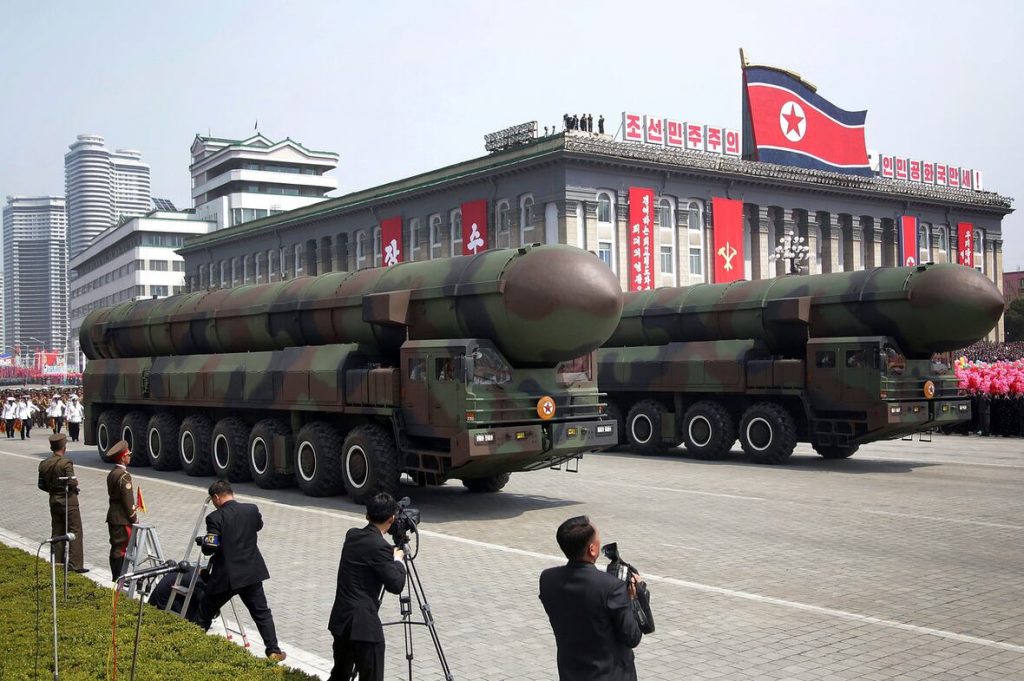
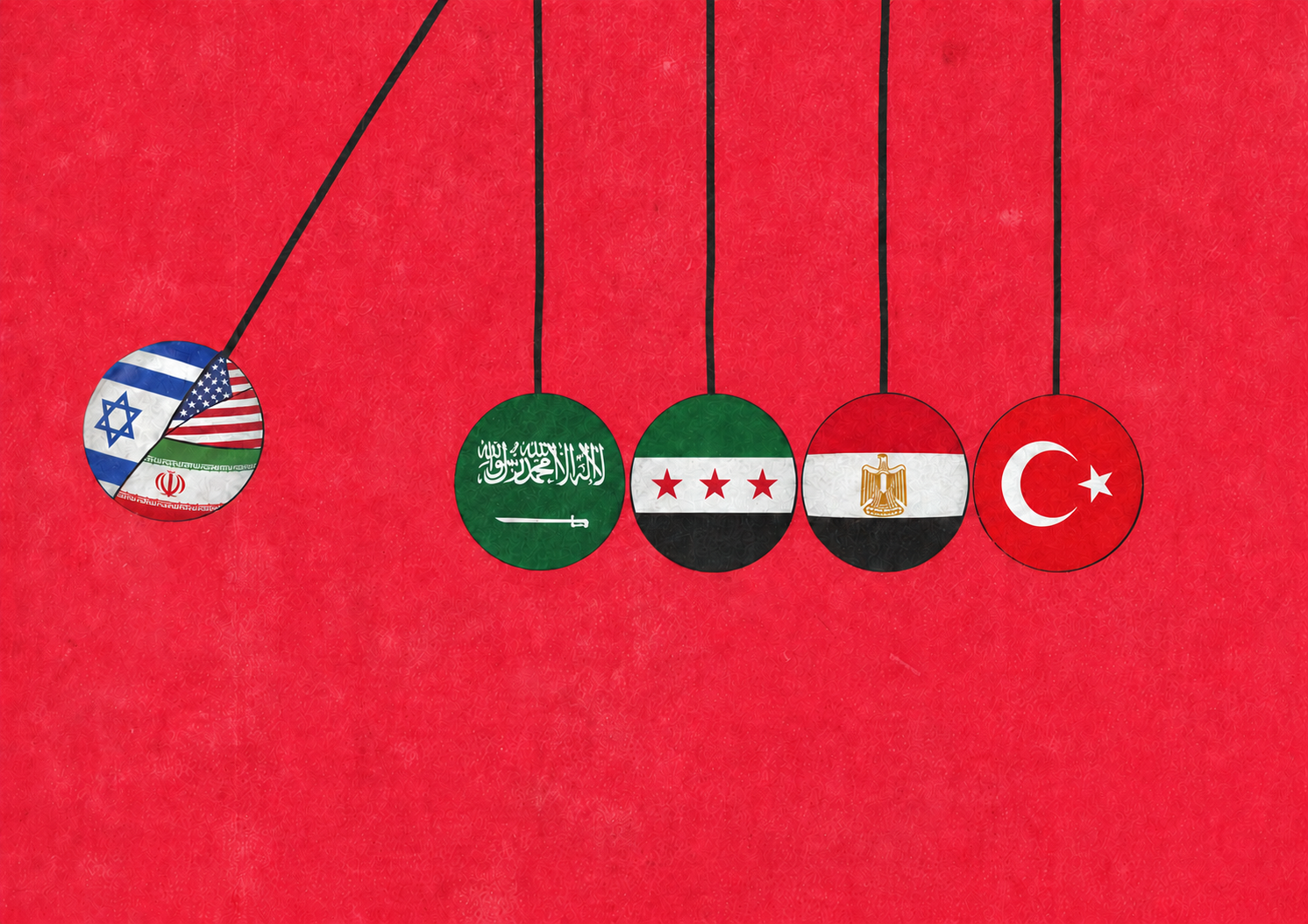
For North Korea, weapons and military technology are not only instruments of deterrence but also strategic resources for survival, generating foreign currency and diplomatic leverage. For example, if tensions among Iran, the United States, and Israel were to escalate into a military conflict in the Middle East, who would emerge as a key supplier behind the war? North Korea could be one of them, having already gained similar experience through its involvement in Ukraine. It could strengthen its relationship with Iran by providing weapons, military supplies, or technical assistance. As North Korea lacks a conventional export market, war itself could become one of its most valuable markets. Weapons, military supplies, and battlefield experience can be exchanged for foreign currency, technology, and political influence. In this way, military capabilities accumulated in one conflict do not remain there—they can travel across regions through North Korea’s expanding supply networks, shaping the next battlefield before it even begins.
This is where the broader significance of North Korea’s strategic transformation becomes clear. The story is now about more than a security problem confined to the Korean Peninsula. It is about the emergence of a transregional security actor capable of moving weapons, military technology, and wartime experience across regions. Through North Korea’s expanding networks, the capabilities forged in one war can shape the next. North Korea is reaching far outside the Korean Peninsula—it is becoming a powerful piece on a geopolitical chessboard that stretches across regions.
North Korea’s growing relationship with Russia has expanded its military and diplomatic options. Yet today’s partnership may not tell us where the relationship is heading tomorrow. The future of North Korea’s relationship with Russia could depend on the course of the Russia–Ukraine war. Meanwhile, technology is emerging as a new force shaping the security order, alongside shifting relations among great powers, including China and the United States. The current North Korea–Russia relationship was born under the exceptional circumstances of war. This does not offer a guarantee that the two countries will share the same strategic objectives in the long term.
Looking back at the history discussed earlier, their relationship has changed with the course of international relations. From their Cold War ties through the collapse of the Soviet Union and beyond, including Russia’s strategic shift following the Crimea crisis, changes in the international environment have shaped their relationship beyond shared ideology. What happens if the conditions that brought North Korea and Russia together begin to change? If Russia’s ability to sustain the war, its economic conditions, and the technology and resources it can provide to North Korea change, will their relationship remain the same? As artificial intelligence, drones, and unmanned systems continue to advance, the security landscape itself is being rewritten. The war in Ukraine, for example, has demonstrated that military power alone is not enough; what matters is how quickly states can adopt new technologies and adapt their tactics.
Technological innovation could expose North Korea’s weaknesses in outdated equipment and command-and-control systems. It is important to ask how North Korea can keep pace with these changes. With limited capital, acquiring advanced technologies requires Pyongyang to find the necessary resources. Where will North Korea obtain emerging technologies such as artificial intelligence? How far can its partnerships with Russia and China fill that gap? These uncertainties mean that current North Korea–Russia cooperation and the battlefield experience gained in Ukraine cannot automatically be translated into future military superiority.
The peninsula is becoming a strategic space where the interests of three great powers.
The most important uncertainty lies in North Korea’s own diplomatic strategy. Historically, North Korea has sought to avoid complete dependence on a single great power, adjusting its relationships with China and Russia. Its relationship with Russia is now deepening, but today’s alignment does not necessarily place North Korea permanently in the Russian camp. Moreover, China remains indispensable to North Korea in terms of trade, energy, and economic ties. More importantly, geography cannot be changed—China shares a border with North Korea, making its proximity a strategic reality that Pyongyang cannot ignore. If Russia’s influence declines as the situation in Ukraine changes, North Korea may turn its attention back to China, allowing their relationship to blossom again.
Beyond China and Russia, U.S. policy toward North Korea is another force shaping this balance. If new diplomatic options emerge in U.S.–North Korea relations, the strategic weight North Korea places on China and Russia could shift, giving Pyongyang a new choice beyond dependence on a single great power. One of North Korea’s strengths has been its ability to read the shifting distance among major powers and adjust its relationships according to its own interests as the international environment changes. North Korea may be moving closer to Russia today, but that does not mean it will remain in the same position tomorrow.
The strategic landscape surrounding the Korean Peninsula is beginning to tell a different story. The peninsula is becoming a strategic space where the interests of three great powers—the United States, China, and Russia—intersect. As the Russia–Ukraine war has revealed, the lines between European and East Asian security are beginning to blur—connecting what were once seen as separate security spaces.
As security boundaries start to fade, traditional deterrence strategies may no longer be sufficient. Weapons, military technology, intelligence, and battlefield experience can cross regional boundaries, allowing capabilities accumulated in one war to be transferred to another region in the future. We should not ignore the pattern emerging from the war in Ukraine—what Ukraine is fighting against today is what it is trying to prevent from spreading beyond its borders. The crisis in Ukraine should not be understood as a regional crisis; it should be taken as part of an interconnected security space that extends to the Taiwan Strait, the Middle East, and beyond. Within this emerging interconnected security environment, the Korean Peninsula carries different strategic implications for each great power.
From China’s perspective, the Korean Peninsula is an important buffer zone directly linked to border security, maritime access, and the presence of U.S. forces in South Korea. For Beijing, North Korea helps shape the regional environment, while its relationship with South Korea is part of its search for a regional strategy amid competition with the United States.
From Russia’s perspective, the Korean Peninsula holds strategic value as a space for expanding its military and diplomatic influence in East Asia. Russia has embraced military cooperation with North Korea as a means of sustaining its war in Ukraine while competing with the West. However, South Korea remains strategically important to Russia, particularly because of its economic role in Northeast Asia. Russia cannot easily discard South Korea, as shifting international circumstances may require Moscow to act pragmatically.
The United States faces a different strategic picture. The Korean Peninsula is increasingly connected to its Indo-Pacific strategy, extended deterrence, and its response to developments in the Taiwan Strait. If a conflict were to break out in the Taiwan Strait, the strategic importance of the Korean Peninsula could become even greater in China’s calculations, potentially affecting the security environment on the peninsula. The United States needs to strengthen trust with South Korea by recognizing Seoul’s strategic concerns and geographic realities, while reinforcing the U.S.–South Korea–Japan partnership as a foundation for regional security.
Taken together, these shifts reveal a security environment in which no crisis stands entirely on its own. As security becomes increasingly interconnected, deterrence must adapt to that reality. Rather than treating security challenges as separate, future deterrence strategies must recognize how a crisis in one region can reshape the strategic calculations of another amid great-power competition.
The future security environment will not be determined by military power alone. Three elements are likely to shape its direction: strategic relations, technological transformation, and the capabilities and constraints of states. These three elements do not move independently. A change in one can reshape another, creating a chain of consequences across the security environment—and it is within these connections that deterrence itself becomes increasingly interconnected.
Technology may become one of the most powerful forces of change among the three elements. Emerging technologies are beginning to redefine what it means to hold an advantage on the battlefield. States with greater military power may not retain that advantage in future conflicts. For instance, Taiwan could create new strategic advantages by rapidly adopting advanced technologies and integrating them into its defense and strategy, even when facing a much larger military power.
The lesson is that the next era may be shaped by who can recognize change and adapt to it faster. Beyond technology, diplomacy itself can reshape the security environment on the Korean Peninsula. For China and Russia, the challenge is how to keep North Korea within their strategic relationships. For the United States, South Korea, and Japan, the task is to determine whether they can offer Pyongyang alternative choices through diplomatic engagement alongside military deterrence. Pyongyang’s search for a new diplomatic path will not be determined by Pyongyang alone—the choices made by the United States and China will also shape its future direction.
This is where interconnected deterrence matters: understanding how changes in strategic relationships, technological innovation, and national capabilities and constraints can influence one another—and adjusting deterrence, diplomacy, and alliance strategies accordingly. It should recognize multiple theaters without treating them as a single conflict. The future security environment is not a map that has already been drawn. What matters is recognizing that one change can trigger another, and that this chain of consequences can redraw the map itself before the next crisis takes shape.The picture of the Korean Peninsula is beginning to look very different.
The boundaries are fading as the Russia–Ukraine war, U.S.–China competition, and tensions across the Taiwan Strait become increasingly interconnected—bringing the peninsula into a much larger strategic picture. Yet that picture is still being drawn. Three forces will shape what comes next: strategic relations, technological transformation, and the capabilities and constraints of states. As one changes, it can reshape another, carrying consequences across borders and into other regions. What matters is how changes elsewhere can reach the peninsula—and how changes beginning there can travel far beyond it. Understanding these connections may be the key to navigating the next chapter of security. The Korean Peninsula stands at the intersection of these changes—where the next security order may begin to take shape.
For North Korea, weapons and military technology are not only instruments of deterrence but also strategic resources for survival, generating foreign currency and diplomatic leverage. For example, if tensions among Iran, the United States, and Israel were to escalate into a military conflict in the Middle East, who would emerge as a key supplier behind the war? North Korea could be one of them, having already gained similar experience through its involvement in Ukraine. It could strengthen its relationship with Iran by providing weapons, military supplies, or technical assistance. As North Korea lacks a conventional export market, war itself could become one of its most valuable markets. Weapons, military supplies, and battlefield experience can be exchanged for foreign currency, technology, and political influence. In this way, military capabilities accumulated in one conflict do not remain there—they can travel across regions through North Korea’s expanding supply networks, shaping the next battlefield before it even begins.
This is where the broader significance of North Korea’s strategic transformation becomes clear. The story is now about more than a security problem confined to the Korean Peninsula. It is about the emergence of a transregional security actor capable of moving weapons, military technology, and wartime experience across regions. Through North Korea’s expanding networks, the capabilities forged in one war can shape the next. North Korea is reaching far outside the Korean Peninsula—it is becoming a powerful piece on a geopolitical chessboard that stretches across regions.
North Korea’s growing relationship with Russia has expanded its military and diplomatic options. Yet today’s partnership may not tell us where the relationship is heading tomorrow. The future of North Korea’s relationship with Russia could depend on the course of the Russia–Ukraine war. Meanwhile, technology is emerging as a new force shaping the security order, alongside shifting relations among great powers, including China and the United States. The current North Korea–Russia relationship was born under the exceptional circumstances of war. This does not offer a guarantee that the two countries will share the same strategic objectives in the long term.
Looking back at the history discussed earlier, their relationship has changed with the course of international relations. From their Cold War ties through the collapse of the Soviet Union and beyond, including Russia’s strategic shift following the Crimea crisis, changes in the international environment have shaped their relationship beyond shared ideology. What happens if the conditions that brought North Korea and Russia together begin to change? If Russia’s ability to sustain the war, its economic conditions, and the technology and resources it can provide to North Korea change, will their relationship remain the same? As artificial intelligence, drones, and unmanned systems continue to advance, the security landscape itself is being rewritten. The war in Ukraine, for example, has demonstrated that military power alone is not enough; what matters is how quickly states can adopt new technologies and adapt their tactics.
Technological innovation could expose North Korea’s weaknesses in outdated equipment and command-and-control systems. It is important to ask how North Korea can keep pace with these changes. With limited capital, acquiring advanced technologies requires Pyongyang to find the necessary resources. Where will North Korea obtain emerging technologies such as artificial intelligence? How far can its partnerships with Russia and China fill that gap? These uncertainties mean that current North Korea–Russia cooperation and the battlefield experience gained in Ukraine cannot automatically be translated into future military superiority.
The most important uncertainty lies in North Korea’s own diplomatic strategy. Historically, North Korea has sought to avoid complete dependence on a single great power, adjusting its relationships with China and Russia.
Its relationship with Russia is now deepening, but today’s alignment does not necessarily place North Korea permanently in the Russian camp. Moreover, China remains indispensable to North Korea in terms of trade, energy, and economic ties. More importantly, geography cannot be changed—China shares a border with North Korea, making its proximity a strategic reality that Pyongyang cannot ignore. If Russia’s influence declines as the situation in Ukraine changes, North Korea may turn its attention back to China, allowing their relationship to blossom again.
Beyond China and Russia, U.S. policy toward North Korea is another force shaping this balance. If new diplomatic options emerge in U.S.–North Korea relations, the strategic weight North Korea places on China and Russia could shift, giving Pyongyang a new choice beyond dependence on a single great power. One of North Korea’s strengths has been its ability to read the shifting distance among major powers and adjust its relationships according to its own interests as the international environment changes. North Korea may be moving closer to Russia today, but that does not mean it will remain in the same position tomorrow.
The strategic landscape surrounding the Korean Peninsula is beginning to tell a different story. The peninsula is becoming a strategic space where the interests of three great powers—the United States, China, and Russia—intersect. As the Russia–Ukraine war has revealed, the lines between European and East Asian security are beginning to blur—connecting what were once seen as separate security spaces.
As security boundaries start to fade, traditional deterrence strategies may no longer be sufficient. Weapons, military technology, intelligence, and battlefield experience can cross regional boundaries, allowing capabilities accumulated in one war to be transferred to another region in the future. We should not ignore the pattern emerging from the war in Ukraine—what Ukraine is fighting against today is what it is trying to prevent from spreading beyond its borders. The crisis in Ukraine should not be understood as a regional crisis; it should be taken as part of an interconnected security space that extends to the Taiwan Strait, the Middle East, and beyond. Within this emerging interconnected security environment, the Korean Peninsula carries different strategic implications for each great power.
From China’s perspective, the Korean Peninsula is an important buffer zone directly linked to border security, maritime access, and the presence of U.S. forces in South Korea. For Beijing, North Korea helps shape the regional environment, while its relationship with South Korea is part of its search for a regional strategy amid competition with the United States.
From Russia’s perspective, the Korean Peninsula holds strategic value as a space for expanding its military and diplomatic influence in East Asia. Russia has embraced military cooperation with North Korea as a means of sustaining its war in Ukraine while competing with the West. However, South Korea remains strategically important to Russia, particularly because of its economic role in Northeast Asia. Russia cannot easily discard South Korea, as shifting international circumstances may require Moscow to act pragmatically.
The United States faces a different strategic picture. The Korean Peninsula is increasingly connected to its Indo-Pacific strategy, extended deterrence, and its response to developments in the Taiwan Strait. If a conflict were to break out in the Taiwan Strait, the strategic importance of the Korean Peninsula could become even greater in China’s calculations, potentially affecting the security environment on the peninsula. The United States needs to strengthen trust with South Korea by recognizing Seoul’s strategic concerns and geographic realities, while reinforcing the U.S.–South Korea–Japan partnership as a foundation for regional security.
Taken together, these shifts reveal a security environment in which no crisis stands entirely on its own. As security becomes increasingly interconnected, deterrence must adapt to that reality. Rather than treating security challenges as separate, future deterrence strategies must recognize how a crisis in one region can reshape the strategic calculations of another amid great-power competition.
The future security environment will not be determined by military power alone. Three elements are likely to shape its direction: strategic relations, technological transformation, and the capabilities and constraints of states. These three elements do not move independently. A change in one can reshape another, creating a chain of consequences across the security environment—and it is within these connections that deterrence itself becomes increasingly interconnected.
Technology may become one of the most powerful forces of change among the three elements. Emerging technologies are beginning to redefine what it means to hold an advantage on the battlefield. States with greater military power may not retain that advantage in future conflicts. For instance, Taiwan could create new strategic advantages by rapidly adopting advanced technologies and integrating them into its defense and strategy, even when facing a much larger military power.
The lesson is that the next era may be shaped by who can recognize change and adapt to it faster. Beyond technology, diplomacy itself can reshape the security environment on the Korean Peninsula. For China and Russia, the challenge is how to keep North Korea within their strategic relationships. For the United States, South Korea, and Japan, the task is to determine whether they can offer Pyongyang alternative choices through diplomatic engagement alongside military deterrence. Pyongyang’s search for a new diplomatic path will not be determined by Pyongyang alone—the choices made by the United States and China will also shape its future direction.
This is where interconnected deterrence matters: understanding how changes in strategic relationships, technological innovation, and national capabilities and constraints can influence one another—and adjusting deterrence, diplomacy, and alliance strategies accordingly. It should recognize multiple theaters without treating them as a single conflict. The future security environment is not a map that has already been drawn. What matters is recognizing that one change can trigger another, and that this chain of consequences can redraw the map itself before the next crisis takes shape.The picture of the Korean Peninsula is beginning to look very different.
The boundaries are fading as the Russia–Ukraine war, U.S.–China competition, and tensions across the Taiwan Strait become increasingly interconnected—bringing the peninsula into a much larger strategic picture. Yet that picture is still being drawn. Three forces will shape what comes next: strategic relations, technological transformation, and the capabilities and constraints of states. As one changes, it can reshape another, carrying consequences across borders and into other regions. What matters is how changes elsewhere can reach the peninsula—and how changes beginning there can travel far beyond it. Understanding these connections may be the key to navigating the next chapter of security. The Korean Peninsula stands at the intersection of these changes—where the next security order may begin to take shape.
Recommended
How Warsaw and Kyiv Anchor Europe’s Defense
How the Chinese Military Could Shape China’s Next Chapter
How a Peninsula Conflict Could Trigger a Multi-Theater Great Power Crisis

How Iran and Gaza Operations Undermine the NSS of the U.S.

What Does a Strong Europe Mean for America?