

JOHN CALABRESE
The U.S.-Iran war has become the most consequential American military engagement in the Middle East since the 2003 Iraq invasion. Despite periodic ceasefires and diplomatic efforts, the conflict has revealed that 21st-century power is not determined by military dominance alone. The United States has demonstrated unmatched force-projection capabilities, severely degrading Iran’s conventional forces, yet battlefield success has not produced a durable political settlement or fundamentally altered Tehran’s strategy. Instead, the conflict has settled into a cycle of coercion, adaptation, economic pressure, proxy warfare, and renewed confrontation.
This dynamic reflects a broader shift in strategic competition. Post-Cold War American strategy assumed that overwhelming military superiority could deter adversaries and shape political outcomes. Today’s rivals increasingly challenge U.S. objectives through asymmetric tactics, political resilience, information operations, economic leverage, and endurance rather than conventional parity. The central lesson is that military power generates leverage; political, economic, technological, and institutional capabilities determine whether that leverage produces durable outcomes. The challenge for Washington is to translate its enduring strengths into a sustainable Middle East strategy—one that preserves deterrence, reassures partners, and shapes political realities without relying primarily on repeated military intervention.
America’s Strategy Gap
The strategic dilemmas exposed by the U.S.-Iran war are the culmination of three decades of American statecraft. Since the Cold War’s end, the United States has sought to preserve an international order anchored by unrivaled military capabilities, global force projection, and an extensive alliance network. Those advantages remain formidable. The enduring challenge has been translating overwhelming military superiority into durable political outcomes. During the 1990s, that translation appeared almost automatic. The 1991 Gulf War validated a model of limited political objectives pursued through overwhelming force and broad international legitimacy. Iraq’s expulsion from Kuwait reinforced confidence that American military dominance, coupled with diplomatic restraint, could preserve regional stability at acceptable cost, strengthening faith in the ability of superior capabilities to produce favorable political outcomes.
Subsequent interventions steadily eroded that confidence. The 2003 U.S. invasion of Iraq demonstrated that removing a regime proved far easier than building a legitimate political order. Afghanistan exposed the difficulty of generating political legitimacy through military intervention. Libya showed how regime collapse could produce prolonged instability and regional disorder. Across these campaigns, the United States consistently defeated organized military resistance while struggling to shape the political environments that followed. These experiences exposed the limits of treating military superiority as a substitute for political strategy. Military force can eliminate threats, deter aggression, and create diplomatic opportunities, yet durable political order depends upon legitimate institutions, effective governance, and political accommodation. The expectation that overwhelming military superiority could reliably engineer favorable political outcomes reflected the unique strategic conditions of the immediate post-Cold War era, when American predominance faced no serious geopolitical challenger.
is an assistant professor in the School of Public Affairs at American University and non-resident senior fellow at the Middle East Institute.
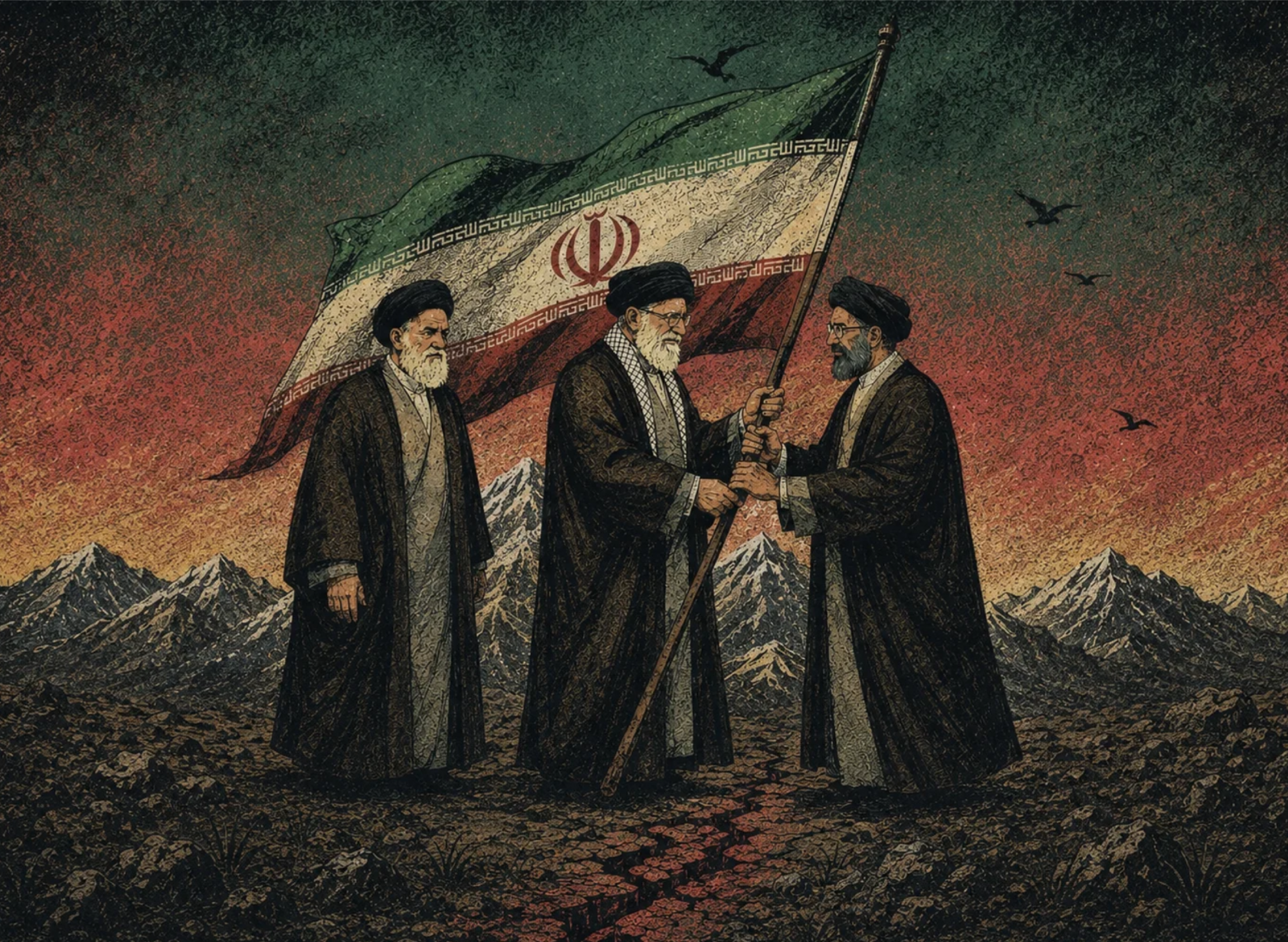
The U.S.-Iran war signals the arrival of a different strategic environment. Contemporary competition rewards resilience, adaptation, and political endurance alongside military capability. Adversaries understand that conventional victory over the United States lies beyond reach. Their objective is therefore to preserve their own political cohesion, impose cumulative costs, and deny Washington the ability to convert military superiority into lasting strategic advantage. Viewed in this broader historical context, the U.S.-Iran war marks another stage in the evolution of international politics. Military primacy remains the foundation of American power. The harder task is converting that power into durable political leverage through diplomacy, economic statecraft, technological capacity, and political leadership.
The Anatomy of the U.S.-Iran War
The conflict demonstrates how this broader transformation operates in practice. Operationally, the United States has displayed military capabilities unmatched by any other power. Strategically, the war has evolved into a prolonged contest of political endurance in which military operations, economic coercion, diplomacy, and asymmetric competition unfold simultaneously. The war began in June 2025 as a limited U.S.-Israeli campaign to degrade Iran’s nuclear infrastructure and long-range missile capabilities while restoring regional deterrence. Iranian retaliation against American forces and regional partners quickly expanded the conflict into sustained military operations. The campaign showcased the breadth of American capabilities: integrated air and missile defenses, precision strikes, advanced intelligence networks, cyber operations, and the logistical capacity to sustain high-intensity operations across a distant theater.
Operational success, however, produced leverage without resolution. Iran’s conventional forces suffered severe attrition, but its political institutions, decision-making structures, and strategic objectives remained intact. Tehran shifted the contest toward domains where asymmetry favored it: proxy networks, cyber operations, maritime disruption, information campaigns, and calibrated missile and drone attacks that imposed continuing costs while preserving its ability to sustain pressure. The collapse of June 2026 ceasefire negotiations underscored the limits of military leverage. Battlefield gains created diplomatic openings, but core disputes over Iran’s nuclear program, regional influence, sanctions, and long-term security arrangements remained unresolved. As talks failed, both sides returned to coercive measures, reinforcing a cycle of confrontation rather than producing a durable settlement.
The continuing contest over the Strait of Hormuz further illustrates this changing character of power. Despite heavy military losses, Iran retained the ability to threaten a critical maritime chokepoint, generating uncertainty across global energy markets and commerce. Influence increasingly depends not only on conventional capabilities but also on the ability to exploit vulnerabilities in economic networks, information systems, political coalitions, and supply chains. These dynamics impose costs beyond the immediate theater.
Every carrier strike group deployed to the Gulf, air-defense system shifted from the Indo-Pacific, and hour of senior policymaker attention devoted to Iranian escalation represents an opportunity cost for Washington’s stated priority of sustaining deterrence against China. For more than a decade, U.S. strategy has identified the Indo-Pacific as the region most likely to shape the future balance of power, yet the Middle East continues to consume the resources and attention required for that reorientation.
The U.S.-Iran war signals the arrival of a different strategic environment. Contemporary competition rewards resilience, adaptation, and political endurance alongside military capability. Adversaries understand that conventional victory over the United States lies beyond reach. Their objective is therefore to preserve their own political cohesion, impose cumulative costs, and deny Washington the ability to convert military superiority into lasting strategic advantage. Viewed in this broader historical context, the U.S.-Iran war marks another stage in the evolution of international politics. Military primacy remains the foundation of American power. The harder task is converting that power into durable political leverage through diplomacy, economic statecraft, technological capacity, and political leadership.
The Anatomy of the U.S.-Iran War
The conflict demonstrates how this broader transformation operates in practice. Operationally, the United States has displayed military capabilities unmatched by any other power. Strategically, the war has evolved into a prolonged contest of political endurance in which military operations, economic coercion, diplomacy, and asymmetric competition unfold simultaneously. The war began in June 2025 as a limited U.S.-Israeli campaign to degrade Iran’s nuclear infrastructure and long-range missile capabilities while restoring regional deterrence. Iranian retaliation against American forces and regional partners quickly expanded the conflict into sustained military operations. The campaign showcased the breadth of American capabilities: integrated air and missile defenses, precision strikes, advanced intelligence networks, cyber operations, and the logistical capacity to sustain high-intensity operations across a distant theater.
Operational success, however, produced leverage without resolution. Iran’s conventional forces suffered severe attrition, but its political institutions, decision-making structures, and strategic objectives remained intact. Tehran shifted the contest toward domains where asymmetry favored it: proxy networks, cyber operations, maritime disruption, information campaigns, and calibrated missile and drone attacks that imposed continuing costs while preserving its ability to sustain pressure. The collapse of June 2026 ceasefire negotiations underscored the limits of military leverage. Battlefield gains created diplomatic openings, but core disputes over Iran’s nuclear program, regional influence, sanctions, and long-term security arrangements remained unresolved. As talks failed, both sides returned to coercive measures, reinforcing a cycle of confrontation rather than producing a durable settlement.
The continuing contest over the Strait of Hormuz further illustrates this changing character of power. Despite heavy military losses, Iran retained the ability to threaten a critical maritime chokepoint, generating uncertainty across global energy markets and commerce. Influence increasingly depends not only on conventional capabilities but also on the ability to exploit vulnerabilities in economic networks, information systems, political coalitions, and supply chains. These dynamics impose costs beyond the immediate theater.
Every carrier strike group deployed to the Gulf, air-defense system shifted from the Indo-Pacific, and hour of senior policymaker attention devoted to Iranian escalation represents an opportunity cost for Washington’s stated priority of sustaining deterrence against China. For more than a decade, U.S. strategy has identified the Indo-Pacific as the region most likely to shape the future balance of power, yet the Middle East continues to consume the resources and attention required for that reorientation.
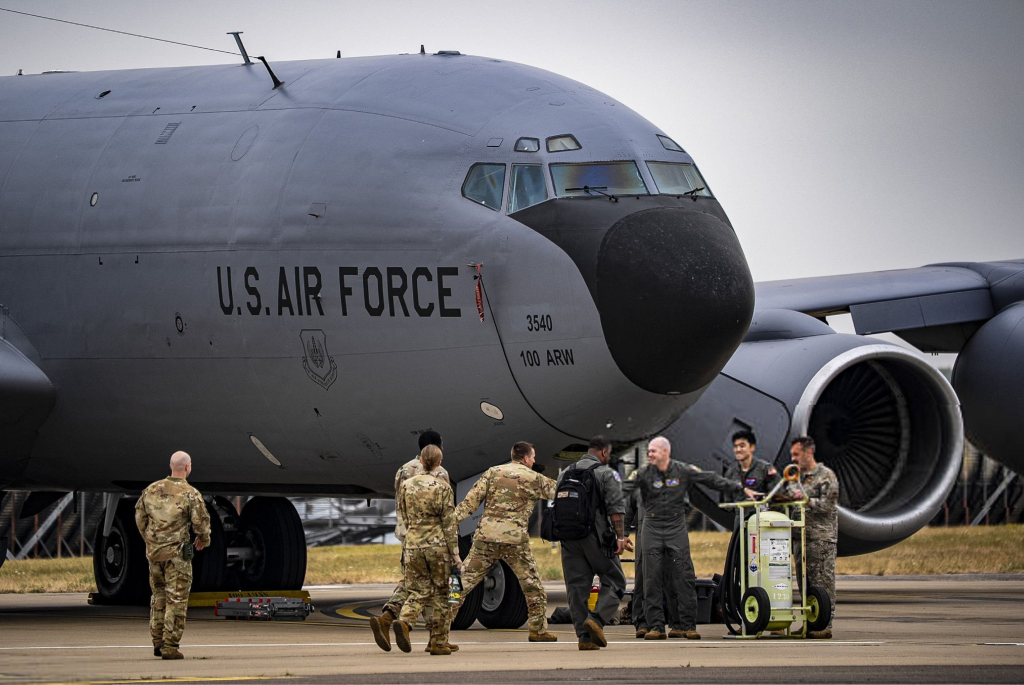
This tension is not new—the “pivot to Asia” foundered on similar rocks a decade earlier—but the U.S.-Iran war has sharpened it considerably. Beijing has watched American forces and attention drawn once again toward the Gulf and has drawn its own conclusions about the limits of U.S. strategic bandwidth. The war is therefore not only a Middle Eastern contest; it is also, indirectly, a test of whether Washington can sustain competition across multiple theaters simultaneously without one perpetually crowding out the other. Perhaps the conflict’s most important lesson concerns the strategic value of time. Iran’s strategy rests on preserving political cohesion, sustaining public resolve, and imposing cumulative costs that complicate American decision-making.
For weaker actors, endurance can substitute for conventional strength: they need to absorb pressure, preserve political cohesion, and impose costs until the stronger power’s commitment begins to erode. Success increasingly belongs to the actor that can adapt continuously, maintain domestic and institutional cohesion, and sustain competition over time. The central question for American strategy is why unmatched operational performance so often produces limited political returns. The answer lies in the assumptions that have long shaped Washington’s use of force.
The Failure of the Kinetic Paradigm
The recurring gap between battlefield success and strategic frustration reflects the persistence of what might be called the “kinetic paradigm”—an institutional tendency to treat operational effects as the clearest measure of strategic progress and to expect political gains to follow. Within this framework, strategy centers on identifying targets, degrading capabilities, managing escalation, and restoring deterrence, with political success expected to flow from operational effectiveness instead of sustained political design. The appeal of this approach is obvious. The United States possesses unmatched military capabilities, from precision strike and intelligence networks to cyber, space, and global logistical reach. These tools provide policymakers with tangible measures of progress: destroyed targets, degraded infrastructure, intercepted threats, and successful operations. Political progress, by contrast, unfolds gradually through ambiguous and difficult-to-measure outcomes.
Yet modern conflict consistently demonstrates that operational and strategic success follow different logics. States rarely abandon core political objectives because their military capabilities have been degraded. Regime survival, ideological commitment, domestic legitimacy, and geopolitical interests often sustain resistance despite battlefield losses. Military campaigns alter the balance of capabilities; political incentives determine whether those changes translate into strategic outcomes.
The U.S.-Iran war illustrates this dynamic. American operations severely degraded Iranian military infrastructure while demonstrating overwhelming technological and operational superiority. Tehran nevertheless preserved its strategic objectives by shifting competition into domains where asymmetry offered greater leverage. These methods allowed Iran to sustain pressure while maintaining the cohesion required for prolonged competition. Iran reflects a broader pattern in contemporary strategic competition. Weaker states facing superior adversaries increasingly rely on adaptation, shifting contests into political complexity, economic interdependence, information warfare, cyber operations, and the strategic value of time. These arenas dilute conventional military advantages and reward endurance, resilience, and cumulative pressure. Strategic success increasingly depends on shaping the political environment surrounding military operations as effectively as the battlefield itself.
The kinetic paradigm therefore rests on an incomplete conception of strategy. Military force remains indispensable, in that it creates leverage, deters aggression, reassures allies, and constrains adversaries. But political strategy converts leverage into durable outcomes by integrating force with diplomacy, governance, economic statecraft, and coalition management. Operational excellence without political integration produces impressive campaigns but unresolved strategic contests. This pattern reflects deeper characteristics of the institutions responsible for generating American national security policy. Those institutions excel at producing military effectiveness because they were designed for that purpose. Contemporary competition, however, increasingly rewards integration across diplomacy, economics, technology, alliances, and information. The challenge lies in converting America’s many sources of strength into coherent strategic leverage in a more complex and contested environment.
How Weaker States Endure
The U.S.-Iran war demonstrates that contemporary conflict can no longer be assessed primarily through conventional military capabilities. Iran has remained strategically competitive not by matching American military power, but by developing a form of resilience designed to absorb pressure, adapt, and impose costs despite profound conventional disadvantages. Its experience illustrates a broader transformation in how weaker states compete against dominant powers. For decades, Tehran has pursued strategic dispersion. Unable to confront the United States directly, it invested in proxy organizations, missile and drone forces, cyber capabilities, maritime disruption, regional political networks, and information operations. These instruments were designed to complicate American decision-making by expanding the arenas of competition, dispersing risk, and increasing the political and economic costs of sustained engagement.
Military superiority can overcome operational challenges; it cannot substitute for sustained political purpose.
The conflict has validated this approach. As Iranian conventional capabilities suffered extensive degradation, Tehran increasingly relied on methods that conventional force alone struggles to neutralize. Political influence, ideological commitment, decentralized organizations, financial networks, and social legitimacy are far harder to dismantle through military means. Modern resilience therefore rests on the political, organizational, and societal structures that enable continued adaptation after battlefield losses.
Technological change has reinforced this transformation. Cyber operations, information campaigns, autonomous systems, and emerging digital capabilities allow states and non-state actors to influence perceptions, disrupt decision-making, and impose costs across multiple domains simultaneously. Technology has expanded the reach of asymmetric strategies by enabling actors with fewer conventional resources to exploit vulnerabilities within more powerful adversaries. Time further magnifies this advantage. Prolonged competition creates opportunities for weaker actors to exploit domestic divisions, alliance pressures, economic strains, and shifts in international opinion. Prolonged competition can become a strategic asset for weaker actors. Success increasingly depends on the ability to preserve political cohesion while continuously adapting methods of competition.
The implications extend well beyond Iran. Similar dynamics are evident in conflicts involving state and non-state actors across multiple regions, suggesting that resilience is becoming as important a measure of national power as conventional military capability. Strategic success in coming decades will depend on projecting force effectively while understanding how adversaries adapt, how political systems sustain prolonged competition, and how military operations integrate with broader strategies built for long-term contests. That realization brings the domestic foundations of American power into sharper focus.
Leadership Under Pressure
The strategic transformation revealed by the U.S.-Iran war cannot be understood through military capability or institutional design alone. It also reflects profound changes in the domestic foundations of American power. During much of the Cold War, domestic politics shaped foreign policy, yet a broad bipartisan consensus generally supported the United States’ global role. That consensus did not eliminate disagreement, but it provided successive administrations with the continuity required to pursue long-term strategies across multiple presidencies. That political environment has become far more fragmented. Contemporary debates increasingly concern the value of international leadership itself, the costs of alliance commitments, and the willingness of Americans to sustain prolonged overseas engagement. Domestic polarization, accelerated information flows, and competing narratives have made political cohesion an increasingly scarce strategic resource.
The U.S.-Iran war has unfolded within this environment. Decisions involving military operations, sanctions, diplomacy, energy markets, and alliance commitments have become subjects of intense domestic contestation. American strategy has consequently struggled to project the consistency on which deterrence and diplomatic credibility depend. Military superiority can overcome operational challenges; it cannot substitute for sustained political purpose.
That deficit was compounded by the conduct of the war’s principal decision-maker. President Trump articulated shifting objectives—from degrading Iran’s missile and naval capabilities to preventing nuclear breakout and, at times, calling for regime change before later denying that it was ever the goal. Senior officials frequently contradicted one another and the president, while Trump’s own statements alternated between declaring victory and threatening renewed strikes. For allies and adversaries alike, this volatility obscured what a satisfactory endpoint required, weakening the clarity of purpose on which coercive credibility depends.
Adversaries have recognized this vulnerability. Iran’s strategy has long rested on the belief that tactical setbacks need not become strategic defeat if political divisions within the United States can be prolonged. Calibrated escalation, proxy warfare, maritime disruption, cyber operations, and information campaigns have sought to complicate American decision-making by increasing the duration and costs of competition. This reflects a broader reality of contemporary strategy: time itself has become an instrument of coercion. Prolonged competition places pressure on political consensus, fiscal resources, alliance cohesion, and public patience. Strategic success therefore depends not only on battlefield performance but on sustaining domestic legitimacy over time.
This argument does not diminish the value of democratic debate. Open political competition remains an American strength, providing adaptability, accountability, and resilience. The challenge is sustaining long-term national purpose amid vigorous disagreement. Political cohesion has become not simply a condition for effective foreign policy but a strategic asset. The changing character of conflict has also transformed the meaning of alliances. For much of the post-Cold War era, American alliances were viewed primarily as force multipliers that extended deterrence and enabled military operations. Those functions remain essential, but the U.S.-Iran war demonstrates that alliances now also serve as mechanisms for political resilience, collective adaptation, and strategic endurance.
Throughout the conflict, regional partners continued to rely on the United States for intelligence, advanced military capabilities, diplomatic coordination, and reassurance. Yet Iran’s ability to threaten partners and strike facilities associated with the American presence exposed vulnerabilities in traditional security arrangements. U.S. bases provide protection, but they can also become targets adversaries seek to exploit. This erosion of confidence predates the war. Three decades of American interventions that removed adversary regimes without producing durable political order—in Iraq, Afghanistan, and Libya—have led regional partners to question whether Washington’s commitments will outlast its attention. The muted U.S. response to the 2019 attacks on Saudi oil infrastructure reinforced the perception that American protection was most reliable when U.S. interests, rather than partners’ security, were directly at stake.
This tension is not new—the “pivot to Asia” foundered on similar rocks a decade earlier—but the U.S.-Iran war has sharpened it considerably. Beijing has watched American forces and attention drawn once again toward the Gulf and has drawn its own conclusions about the limits of U.S. strategic bandwidth. The war is therefore not only a Middle Eastern contest; it is also, indirectly, a test of whether Washington can sustain competition across multiple theaters simultaneously without one perpetually crowding out the other. Perhaps the conflict’s most important lesson concerns the strategic value of time. Iran’s strategy rests on preserving political cohesion, sustaining public resolve, and imposing cumulative costs that complicate American decision-making.
For weaker actors, endurance can substitute for conventional strength: they need to absorb pressure, preserve political cohesion, and impose costs until the stronger power’s commitment begins to erode. Success increasingly belongs to the actor that can adapt continuously, maintain domestic and institutional cohesion, and sustain competition over time. The central question for American strategy is why unmatched operational performance so often produces limited political returns. The answer lies in the assumptions that have long shaped Washington’s use of force.
The Failure of the Kinetic Paradigm
The recurring gap between battlefield success and strategic frustration reflects the persistence of what might be called the “kinetic paradigm”—an institutional tendency to treat operational effects as the clearest measure of strategic progress and to expect political gains to follow. Within this framework, strategy centers on identifying targets, degrading capabilities, managing escalation, and restoring deterrence, with political success expected to flow from operational effectiveness instead of sustained political design. The appeal of this approach is obvious. The United States possesses unmatched military capabilities, from precision strike and intelligence networks to cyber, space, and global logistical reach. These tools provide policymakers with tangible measures of progress: destroyed targets, degraded infrastructure, intercepted threats, and successful operations. Political progress, by contrast, unfolds gradually through ambiguous and difficult-to-measure outcomes.
Yet modern conflict consistently demonstrates that operational and strategic success follow different logics. States rarely abandon core political objectives because their military capabilities have been degraded. Regime survival, ideological commitment, domestic legitimacy, and geopolitical interests often sustain resistance despite battlefield losses. Military campaigns alter the balance of capabilities; political incentives determine whether those changes translate into strategic outcomes.
The U.S.-Iran war illustrates this dynamic. American operations severely degraded Iranian military infrastructure while demonstrating overwhelming technological and operational superiority. Tehran nevertheless preserved its strategic objectives by shifting competition into domains where asymmetry offered greater leverage. These methods allowed Iran to sustain pressure while maintaining the cohesion required for prolonged competition. Iran reflects a broader pattern in contemporary strategic competition. Weaker states facing superior adversaries increasingly rely on adaptation, shifting contests into political complexity, economic interdependence, information warfare, cyber operations, and the strategic value of time. These arenas dilute conventional military advantages and reward endurance, resilience, and cumulative pressure. Strategic success increasingly depends on shaping the political environment surrounding military operations as effectively as the battlefield itself.
The kinetic paradigm therefore rests on an incomplete conception of strategy. Military force remains indispensable, in that it creates leverage, deters aggression, reassures allies, and constrains adversaries. But political strategy converts leverage into durable outcomes by integrating force with diplomacy, governance, economic statecraft, and coalition management. Operational excellence without political integration produces impressive campaigns but unresolved strategic contests. This pattern reflects deeper characteristics of the institutions responsible for generating American national security policy. Those institutions excel at producing military effectiveness because they were designed for that purpose. Contemporary competition, however, increasingly rewards integration across diplomacy, economics, technology, alliances, and information. The challenge lies in converting America’s many sources of strength into coherent strategic leverage in a more complex and contested environment.
How Weaker States Endure
The U.S.-Iran war demonstrates that contemporary conflict can no longer be assessed primarily through conventional military capabilities. Iran has remained strategically competitive not by matching American military power, but by developing a form of resilience designed to absorb pressure, adapt, and impose costs despite profound conventional disadvantages. Its experience illustrates a broader transformation in how weaker states compete against dominant powers. For decades, Tehran has pursued strategic dispersion. Unable to confront the United States directly, it invested in proxy organizations, missile and drone forces, cyber capabilities, maritime disruption, regional political networks, and information operations. These instruments were designed to complicate American decision-making by expanding the arenas of competition, dispersing risk, and increasing the political and economic costs of sustained engagement.
American influence will depend not simply on its ability to prevail militarily, but on its capacity to build and sustain coalitions.
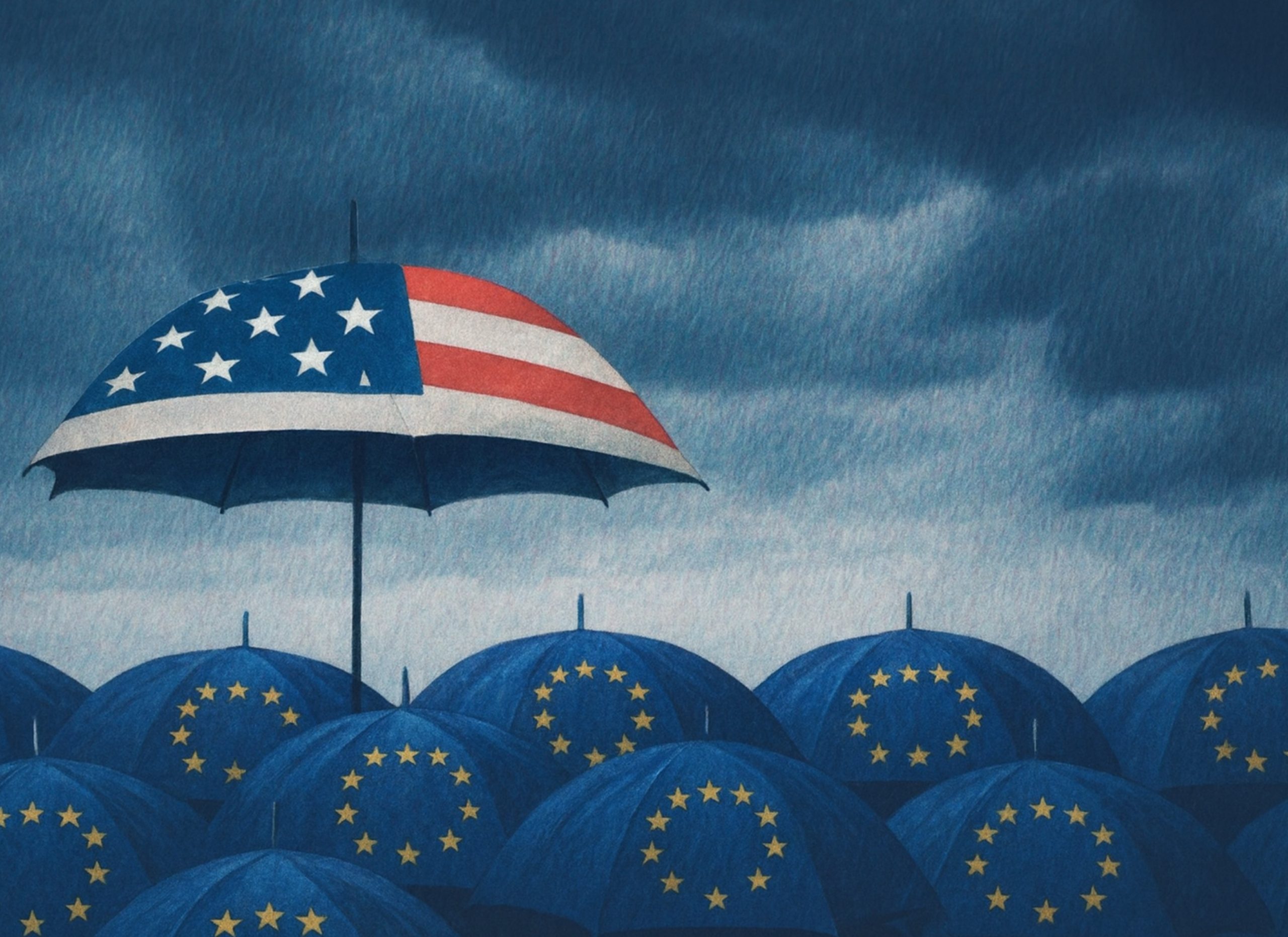
This tension reflects a broader evolution in American leadership. The United States remains the essential security partner for many countries, yet deterrence increasingly depends on more than forward-deployed military power. In an era of asymmetric competition, adversaries seek to bypass conventional advantages by targeting political cohesion, economic stability, and public confidence. Effective alliances therefore require not only military integration but also resilience against coercion and disruption. The U.S.-Iran war suggests that future American leadership will depend increasingly on organizing networks of partners capable of sharing risks, absorbing shocks, and sustaining collective action.
Washington’s role is shifting from sole guarantor toward coalition organizer, requiring a balance between reassurance and burden-sharing, credibility and restraint, presence and flexibility. Leadership itself is consequently being redefined. Military superiority will remain essential to American influence. The greater challenge is converting that superiority into strategic leverage by building and sustaining coalitions that combine political cohesion, economic capacity, and military strength.
Beyond Victory
The U.S.-Iran war will be remembered for its military operations, diplomatic crises, and regional consequences. Its deeper significance lies in what it reveals about the changing character of power. The conflict marks another stage in the evolution of international politics away from an era when overwhelming military superiority could reliably produce political outcomes and toward one in which influence increasingly depends on resilience, legitimacy, institutional adaptability, and strategic integration. This evolution does not diminish American power. The United States continues to possess military capabilities, technological innovation, alliance networks, and economic resources unmatched by any potential rival. The paradox revealed by the war is that extraordinary military advantages achieve their greatest effect when reinforced by the political conditions that convert power into lasting strategic outcomes.
The central challenge confronting American statecraft is therefore conceptual. Future conflicts will unfold across interconnected military, political, technological, economic, informational, and societal domains. Success will depend on integrating these instruments into strategies capable of sustaining advantage over prolonged competition. For the United States, that means strengthening the domestic foundations of national power, revitalizing alliances as instruments of collective resilience, and integrating diplomacy and economic statecraft with military planning. Military superiority will remain indispensable, yet its strategic value will increasingly depend on the ability to translate power into durable political outcomes.
The defining question confronting American leadership in the twenty-first century is whether Washington can translate immense power into durable political outcomes while maintaining the domestic consensus necessary to sustain that role. Future influence will depend on whether Washington can sustain the political purpose at home, the coalitions abroad, and the strategic integration required to turn military superiority into durable influence.
The conflict has validated this approach. As Iranian conventional capabilities suffered extensive degradation, Tehran increasingly relied on methods that conventional force alone struggles to neutralize. Political influence, ideological commitment, decentralized
organizations, financial networks, and social legitimacy are far harder to dismantle through military means. Modern resilience therefore rests on the political, organizational, and societal structures that enable continued adaptation after battlefield losses.
Technological change has reinforced this transformation. Cyber operations, information campaigns, autonomous systems, and emerging digital capabilities allow states and non-state actors to influence perceptions, disrupt decision-making, and impose costs across multiple domains simultaneously. Technology has expanded the reach of asymmetric strategies by enabling actors with fewer conventional resources to exploit vulnerabilities within more powerful adversaries. Time further magnifies this advantage. Prolonged competition creates opportunities for weaker actors to exploit domestic divisions, alliance pressures, economic strains, and shifts in international opinion. Prolonged competition can become a strategic asset for weaker actors. Success increasingly depends on the ability to preserve political cohesion while continuously adapting methods of competition.
The implications extend well beyond Iran. Similar dynamics are evident in conflicts involving state and non-state actors across multiple regions, suggesting that resilience is becoming as important a measure of national power as conventional military capability. Strategic success in coming decades will depend on projecting force effectively while understanding how adversaries adapt, how political systems sustain prolonged competition, and how military operations integrate with broader strategies built for long-term contests. That realization brings the domestic foundations of American power into sharper focus.
Leadership Under Pressure
The strategic transformation revealed by the U.S.-Iran war cannot be understood through military capability or institutional design alone. It also reflects profound changes in the domestic foundations of American power. During much of the Cold War, domestic politics shaped foreign policy, yet a broad bipartisan consensus generally supported the United States’ global role. That consensus did not eliminate disagreement, but it provided successive administrations with the continuity required to pursue long-term strategies across multiple presidencies. That political environment has become far more fragmented. Contemporary debates increasingly concern the value of international leadership itself, the costs of alliance commitments, and the willingness of Americans to sustain prolonged overseas engagement. Domestic polarization, accelerated information flows, and competing narratives have made political cohesion an increasingly scarce strategic resource.
The U.S.-Iran war has unfolded within this environment. Decisions involving military operations, sanctions, diplomacy, energy markets, and alliance commitments have become subjects of intense domestic contestation. American strategy has consequently struggled to project the consistency on which deterrence and diplomatic credibility depend. Military superiority can overcome operational challenges; it cannot substitute for sustained political purpose.
That deficit was compounded by the conduct of the war’s principal decision-maker. President Trump articulated shifting objectives—from degrading Iran’s missile and naval capabilities to preventing nuclear breakout and, at times, calling for regime change before later denying that it was ever the goal. Senior officials frequently contradicted one another and the president, while Trump’s own statements alternated between declaring victory and threatening renewed strikes. For allies and adversaries alike, this volatility obscured what a satisfactory endpoint required, weakening the clarity of purpose on which coercive credibility depends.
Adversaries have recognized this vulnerability. Iran’s strategy has long rested on the belief that tactical setbacks need not become strategic defeat if political divisions within the United States can be prolonged. Calibrated escalation, proxy warfare, maritime disruption, cyber operations, and information campaigns have sought to complicate American decision-making by increasing the duration and costs of competition. This reflects a broader reality of contemporary strategy: time itself has become an instrument of coercion. Prolonged competition places pressure on political consensus, fiscal resources, alliance cohesion, and public patience. Strategic success therefore depends not only on battlefield performance but on sustaining domestic legitimacy over time.
This argument does not diminish the value of democratic debate. Open political competition remains an American strength, providing adaptability, accountability, and resilience. The challenge is sustaining long-term national purpose amid vigorous disagreement. Political cohesion has become not simply a condition for effective foreign policy but a strategic asset. The changing character of conflict has also transformed the meaning of alliances. For much of the post-Cold War era, American alliances were viewed primarily as force multipliers that extended deterrence and enabled military operations. Those functions remain essential, but the U.S.-Iran war demonstrates that alliances now also serve as mechanisms for political resilience, collective adaptation, and strategic endurance.
Throughout the conflict, regional partners continued to rely on the United States for intelligence, advanced military capabilities, diplomatic coordination, and reassurance. Yet Iran’s ability to threaten partners and strike facilities associated with the American presence exposed vulnerabilities in traditional security arrangements. U.S. bases provide protection, but they can also become targets adversaries seek to exploit. This erosion of confidence predates the war. Three decades of American interventions that removed adversary regimes without producing durable political order—in Iraq, Afghanistan, and Libya—have led regional partners to question whether Washington’s commitments will outlast its attention. The muted U.S. response to the 2019 attacks on Saudi oil infrastructure reinforced the perception that American protection was most reliable when U.S. interests, rather than partners’ security, were directly at stake.
This tension reflects a broader evolution in American leadership. The United States remains the essential security partner for many countries, yet deterrence increasingly depends on more than forward-deployed military power. In an era of asymmetric competition, adversaries
seek to bypass conventional advantages by targeting political cohesion, economic stability, and public confidence. Effective alliances therefore require not only military integration but also resilience against coercion and disruption. The U.S.-Iran war suggests that future American leadership will depend increasingly on organizing networks of partners capable of sharing risks, absorbing shocks, and sustaining collective action.
Washington’s role is shifting from sole guarantor toward coalition organizer, requiring a balance between reassurance and burden-sharing, credibility and restraint, presence and flexibility. Leadership itself is consequently being redefined. Military superiority will remain essential to American influence. The greater challenge is converting that superiority into strategic leverage by building and sustaining coalitions that combine political cohesion, economic capacity, and military strength.
Beyond Victory
The U.S.-Iran war will be remembered for its military operations, diplomatic crises, and regional consequences. Its deeper significance lies in what it reveals about the changing character of power. The conflict marks another stage in the evolution of international politics away from an era when overwhelming military superiority could reliably produce political outcomes and toward one in which influence increasingly depends on resilience, legitimacy, institutional adaptability, and strategic integration. This evolution does not diminish American power. The United States continues to possess military capabilities, technological innovation, alliance networks, and economic resources unmatched by any potential rival. The paradox revealed by the war is that extraordinary military advantages achieve their greatest effect when reinforced by the political conditions that convert power into lasting strategic outcomes.
The central challenge confronting American statecraft is therefore conceptual. Future conflicts will unfold across interconnected military, political, technological, economic, informational, and societal domains. Success will depend on integrating these instruments into strategies capable of sustaining advantage over prolonged competition. For the United States, that means strengthening the domestic foundations of national power, revitalizing alliances as instruments of collective resilience, and integrating diplomacy and economic statecraft with military planning. Military superiority will remain indispensable, yet its strategic value will increasingly depend on the ability to translate power into durable political outcomes.
The defining question confronting American leadership in the twenty-first century is whether Washington can translate immense power into durable political outcomes while maintaining the domestic consensus necessary to sustain that role. Future influence will depend on whether Washington can sustain the political purpose at home, the coalitions abroad, and the strategic integration required to turn military superiority into durable influence.
Recommended
However it Can Be Saved
The Decline of External Powers and Rise of Regional Powers

The Wilsonian Mission Never Ends
Trump’s War on Norms
The Exhaustion of Democracy Promotion